



Vitamin D is more than just the “sunshine vitamin.” It plays a vital role in maintaining strong bones, boosting your immune system, and even supporting mental health. However, despite its importance, vitamin D deficiency is common worldwide. While sunlight is a natural source, many people need to rely on their diet to meet daily requirements. This blog explores the best vitamin D foods to eat to support your health naturally.
How Vitamin D Works in the Body
Before diving into the food sources, it’s crucial to understand how vitamin D functions. When your skin is exposed to sunlight, it produces vitamin D3, a fat-soluble compound. This vitamin is then converted into an active form by the liver and kidneys, helping the body absorb calcium and phosphorus.
Without sufficient vitamin D, bones can become brittle, immunity weakens, and the risk of chronic diseases increases. Therefore, including vitamin D-rich foods in your daily diet is essential—especially if you spend limited time outdoors.
Recommended Daily Intake
The recommended dietary allowance (RDA) for vitamin D varies based on age and lifestyle:
- Infants (0–12 months): 400 IU
- Children and Adults (1–70 years): 600 IU
- Seniors (71+ years): 800 IU
- Pregnant/Breastfeeding Women: 600 IU
If you’re not getting this amount from the sun or supplements, food is your next best option.
Top Natural Sources of Vitamin D
Let’s explore the top foods that help you meet your vitamin D needs naturally.
1. Fatty Fish: The Richest Natural Source
Fatty fish are among the best sources of vitamin D. Just one serving a week can make a noticeable difference.
a. Salmon
A 100-gram serving of cooked salmon offers around 526 IU of vitamin D—nearly the entire daily requirement for most adults.
Pro tip: Wild-caught salmon typically contains more vitamin D than farmed varieties.
b. Mackerel
This oily fish provides about 360 IU per 100 grams and is also rich in omega-3 fatty acids, promoting heart health.
c. Sardines
Just two sardines contain roughly 40 IU of vitamin D. They’re also high in calcium, making them ideal for bone health.
d. Tuna
Canned light tuna is budget-friendly and provides about 268 IU per 100-gram serving.
Why it matters: Including fatty fish in your meals two to three times a week can significantly boost your vitamin D levels.
2. Cod Liver Oil: A Powerhouse Supplement
Cod liver oil may not be everyone’s favorite, but it’s incredibly nutrient-dense. A single teaspoon contains around 448 IU of vitamin D, along with vitamin A and omega-3s.
However, it’s important to consume in moderation due to its high vitamin A content, which can be toxic in large doses.
3. Egg Yolks: Compact Yet Powerful
Egg yolks offer about 37 IU of vitamin D each. While the quantity isn’t large, eggs are easily accessible and versatile.
Quick tip: Choose eggs from chickens raised outdoors or labeled “pasture-raised,” as they often contain more vitamin D.
4. Fortified Foods: Daily Dose Made Easy
Many everyday foods are fortified with vitamin D to help people meet their daily needs, especially in regions with limited sunlight.
a. Fortified Milk
One cup of fortified cow’s milk contains about 120 IU. Plant-based alternatives like soy, almond, or oat milk are also often fortified.
b. Fortified Orange Juice
A single cup of fortified orange juice can provide 100 IU or more, depending on the brand.
c. Fortified Cereals
Breakfast cereals such as oatmeal and bran flakes often include added vitamin D—usually around 80–100 IU per serving.
Why it helps: Fortified options offer a convenient way to maintain consistent vitamin D levels throughout the year.
5. Mushrooms: The Only Plant-Based Source
Certain types of mushrooms, especially those exposed to ultraviolet light, naturally contain vitamin D2.
- UV-exposed mushrooms: Up to 450 IU per 100 grams
- Button mushrooms (not UV-exposed): Around 7 IU
Though D2 is less potent than D3, mushrooms still make a good addition to a plant-based diet.
Did you know? Leaving mushrooms in sunlight for 30 minutes before cooking can boost their vitamin D content.
6. Cheese: A Tasty Addition
While not a high source, cheese does offer small amounts of vitamin D. Ricotta stands out, providing more than other types.
For example:
- Ricotta: 25 IU per half cup
- Cheddar and mozzarella: 6–10 IU per slice
Important to note: Though cheese contributes to your intake, it should be combined with other sources for full coverage.
Best Vitamin D Combinations for Meals
Sometimes, combining ingredients can enhance nutrient absorption.
- Salmon + sautéed mushrooms
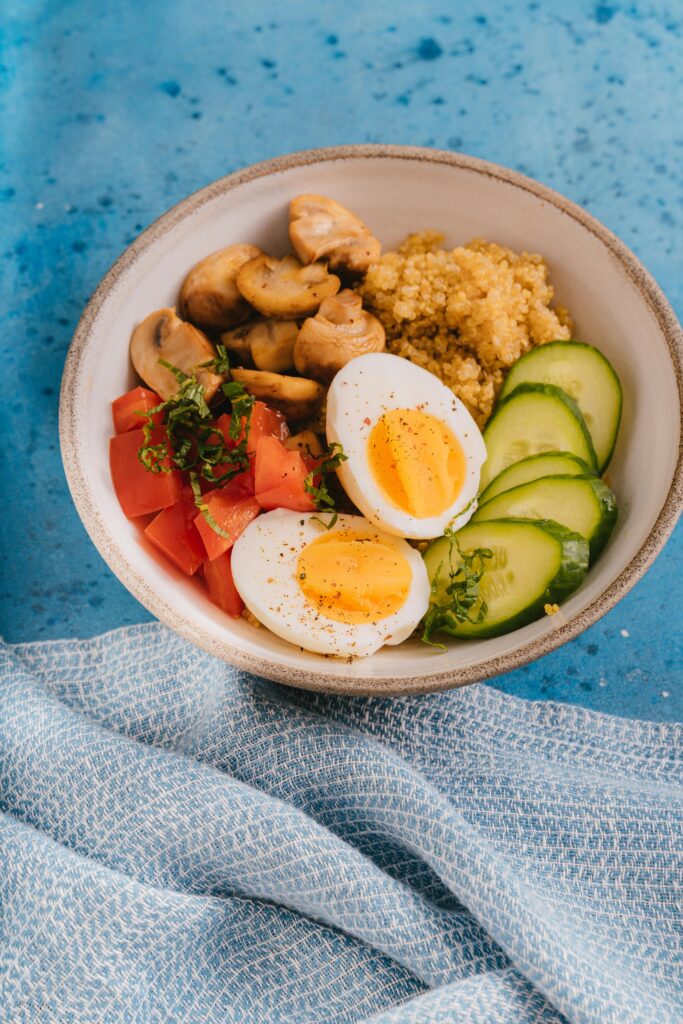
- Tuna salad with boiled eggs and cheese
- Fortified cereal + almond milk + sliced UV mushrooms
These combinations provide not just vitamin D but also calcium, magnesium, and healthy fats for better absorption.
Signs of Vitamin D Deficiency
Even with a healthy diet, some people may still be at risk of deficiency. Recognizing the signs early—and including the right vitamin D foods to eat—can help prevent complications and support recovery.
Common symptoms include:
- Frequent illness or infections
- Bone pain or weakness
- Fatigue and muscle cramps
- Mood changes, especially depression
- Hair thinning
If these symptoms persist, a blood test can confirm your vitamin D levels.
Who Is Most at Risk?
Certain groups are more prone to vitamin D deficiency, including:
- People with darker skin (melanin reduces vitamin D production)
- Elderly individuals (reduced synthesis in skin)
- Those who spend little time outdoors
- People living in northern latitudes
- Vegans and vegetarians (limited dietary sources)
For such individuals, food alone may not be enough. In such cases, supplements under medical guidance can help.
Can You Get Too Much Vitamin D?
Yes, excessive vitamin D—usually from over-supplementation—can be harmful.
Symptoms of toxicity:
- Nausea and vomiting
- High blood calcium levels
- Kidney issues
- Weakness and confusion
The upper limit for daily intake is 4000 IU for adults. It’s best to stick to food sources unless advised otherwise by a healthcare provider.
Seasonal Changes and Sunlight
Your body’s ability to synthesize vitamin D varies with the seasons. In winter months or during monsoons, vitamin D foods to eat become especially crucial to meet your nutritional needs. Aim to adjust your diet accordingly during periods with limited sun exposure.
Even in sunny regions, factors like air pollution or frequent sunscreen use can hinder natural vitamin D production. Therefore, combining moderate sunlight exposure with the right vitamin D foods to eat ensures consistent levels and supports year-round sufficiency.
How to Include Vitamin D in Your Weekly Diet
Here’s a sample 3-day meal plan focused on vitamin D:
For Day 1
- Breakfast: Fortified oatmeal with almond milk
- Lunch: Grilled salmon with spinach and mushrooms
- Snack: Boiled egg
- Dinner: Tuna wrap with ricotta cheese
And for Day 2
- Breakfast: Fortified cereal and orange juice
- Lunch: Sardine sandwich with whole grain bread
- Snack: Cheese sticks
- Dinner: Mushroom soup with fortified soy milk
Lastly Day 3
- Breakfast: Scrambled eggs and UV-exposed mushrooms
- Lunch: Mackerel and sautéed greens
- Snack: Yogurt fortified with vitamin D
- Dinner: Baked cod with mashed sweet potatoes
Vegan and Vegetarian Sources
For those avoiding animal products, the key sources include:
- UV-exposed mushrooms
- Fortified plant-based milks
- Fortified cereals and juices
- Supplements (preferably D2 or vegan D3)
Although limited, combining multiple small sources can meet daily needs.
Final Thoughts: Sunshine and Your Plate
To sum up, maintaining optimal vitamin D levels is essential for your health. While sunlight remains the primary source, many people need dietary support. Including fatty fish, fortified foods, mushrooms, and egg yolks can keep your levels balanced.
Also, paying attention to symptoms of deficiency and seasonal changes can help prevent long-term health issues. Talk to a healthcare provider if you suspect low levels or belong to an at-risk group.
Ultimately, vitamin D foods to eat daily are not only nutritious but also delicious. Make them part of your wellness journey starting today.
Frequently Asked Questions (FAQs)
1. What is the best food source of vitamin D?
Fatty fish like salmon and mackerel are the richest natural sources, followed by cod liver oil and egg yolks.
2. Are there any vegetarian sources of vitamin D?
Yes, mushrooms exposed to sunlight and fortified foods such as cereals and plant-based milks are excellent vegetarian options.
3. Can I get enough vitamin D from food alone?
Possibly, but this depends on your diet and sun exposure. Many people also need supplements.
4. How do I know if I’m vitamin D deficient?
Symptoms include fatigue, frequent illness, bone pain, and mood issues. A blood test provides confirmation.
5. Do cooking methods affect vitamin D content?
Some vitamin D can be lost during high-heat cooking, but most food retains adequate amounts when cooked properly.
Leave a Reply Cancel reply