


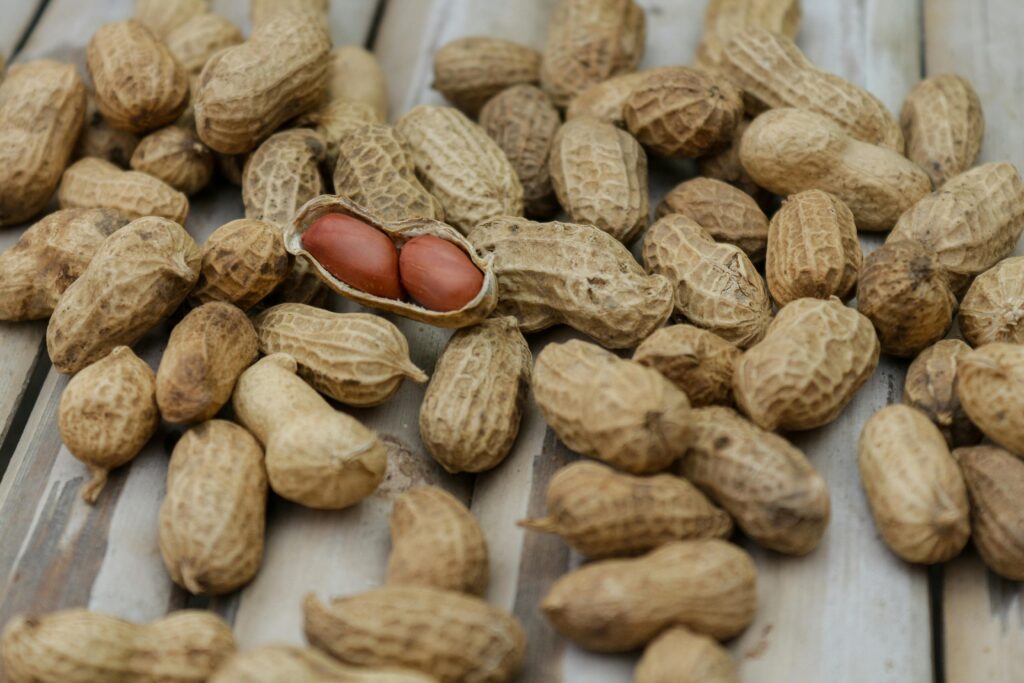
Peanuts, though commonly referred to as nuts, are technically legumes. Yet, they pack the same punch—if not more—than their tree nut counterparts. From offering plant-based protein to protecting heart health, peanuts are a staple food that contributes to a well-rounded, nutritious diet. In this blog, we’ll explore the top health benefits and the power of peanuts , all backed by science.
1. Nutritional Value of Peanuts
Peanuts are incredibly nutrient-dense. A 1-ounce serving (about 28 grams or a small handful) provides:
- Calories: 161
- Protein: 7.3 grams
- Total Fat: 14 grams (mostly unsaturated)
- Carbohydrates: 4.6 grams
- Fiber: 2.4 grams
- Magnesium: 50 mg (13% DV)
- Niacin (Vitamin B3): 4.4 mg (22% DV)
- Folate: 33 mcg (8% DV)
- Vitamin E: 2.4 mg (12% DV)
- Phosphorus, zinc, and iron in trace but essential amounts
These nutrients play vital roles in metabolism, cell repair, brain function, and overall immune health.
2. Excellent Source of Plant-Based Protein
Peanuts contain all 20 amino acids, with arginine being the most abundant. This makes them a superb plant-based protein source, especially for vegetarians and vegans. Including peanuts in your diet supports muscle growth, repair, and enzyme production.
3. Heart Health
Numerous studies show that eating peanuts can reduce the risk of cardiovascular disease. Why?
- Healthy Fats: Peanuts are high in monounsaturated and polyunsaturated fats that help lower LDL (“bad”) cholesterol.
- Antioxidants: Resveratrol and flavonoids in peanuts reduce oxidative stress and inflammation.
- Magnesium: Essential for maintaining healthy blood pressure.
4. Weight Management Support
Contrary to the myth that peanuts cause weight gain, moderate consumption can actually help in weight control:
- High Satiety: The protein and fiber promote fullness.
- Low Glycemic Index: Helps regulate blood sugar.
- Thermogenic Effect: Peanuts may increase energy expenditure post-meal.
Including peanuts as part of a balanced diet can reduce overall calorie intake by curbing unnecessary snacking.
5. Blood Sugar Control
Peanuts have a glycemic index of just 14, which is considered very low. They help stabilize blood sugar when eaten with high-carb foods, reducing spikes and crashes.
6. Brain and Mental Health
Peanuts contain:
- Niacin: Supports brain function and reduces risk of Alzheimer’s disease.
- Folate: Essential for neurotransmitter production.
- Tryptophan: A precursor to serotonin, improving mood and sleep.
Including peanuts in your diet supports long-term cognitive health and may reduce symptoms of depression.
7. Antioxidant and Anti-Inflammatory Properties
Peanuts are loaded with bioactive compounds:
- Resveratrol: Offers anti-aging and anti-cancer properties.
- P-Coumaric Acid: A strong antioxidant found especially in peanut skins.
- Vitamin E: Protects cells from oxidative damage.
These compounds reduce inflammation and oxidative stress, both of which are risk factors for chronic diseases.


8. Gut Health
The fiber in peanuts feeds beneficial gut bacteria. A healthy gut microbiome boosts immunity, improves digestion, and can even affect mental health.
9. Bone Strength
Peanuts contain phosphorus, magnesium, and calcium—all critical for bone density and strength, especially in aging adults.
10. Immune Support
Peanuts are a rich source of zinc and vitamin E, two nutrients that play crucial roles in immune function. Zinc helps produce and activate T-cells, while vitamin E acts as an antioxidant to protect immune cells from damage.
Caution: Peanut Allergies
Peanut allergies can be life-threatening. They’re among the most common food allergies and should be taken seriously. If you’re allergic, avoid peanuts completely and check all food labels carefully.
Tips for Adding Peanuts to Your Diet
- Snacking: A small handful of unsalted, dry-roasted peanuts
- Breakfast: Peanut butter on whole-grain toast or in oatmeal
- Smoothies: Add a spoonful of natural peanut butter
- Cooking: Use peanut oil for stir-fries
- Salads: Toss crushed peanuts for extra crunch
Final thoughts
Peanuts are more than just a tasty snack; they are a powerhouse of nutrition that supports heart health, weight management, cognitive function, and more. The power of peanuts in your diet can lead to a wide range of benefits. Incorporating them into a balanced diet can offer numerous health advantages. However, it’s crucial to be mindful of allergies and consume them in moderation to reap their full advantages. The power of peanuts is best unlocked when they are consumed mindfully, as part of a diverse and wholesome diet.
Leave a Reply Cancel reply