 ucalorie
 In a world filled with processed snacks and sugar-laden drinks, smoothies for cardiac health are a delicious and natural way to support your heart. These nutrient-packed beverages combine fiber, antioxidants, and healthy fats in one simple glass. Whether you’re looking to lower cholesterol, manage blood pressure, or simply maintain a strong cardiovascular system, heart-healthy smoothies offer a convenient and enjoyable solution.
Smoothies, when prepared mindfully, can become a key part of your heart-care routine. They provide essential nutrients like potassium, omega-3s, flavonoids, and magnesium—proven allies in promoting cardiovascular wellness. This blog will explore how smoothies support heart health, which ingredients to prioritize, and share five easy smoothie recipes backed by science.

Why Smoothies for Cardiac Health Benefits?
Although most people associate smoothies with weight loss or general wellness, they are also excellent for cardiovascular care. Here’s why:
1. Rich in Heart-Protective Nutrients
Smoothies are often made from fruits, vegetables, nuts, seeds, and plant-based milks—each filled with nutrients that benefit the heart. For instance, bananas and avocados offer potassium, which helps balance sodium and control blood pressure. Berries and spinach, meanwhile, supply antioxidants that combat inflammation and oxidative stress.
2. Help Lower LDL Cholesterol
When you include fiber-rich ingredients like oats, chia seeds, or flaxseeds, smoothies can help reduce LDL (bad) cholesterol levels. Soluble fiber binds with cholesterol in the digestive tract and helps flush it from the body.
3. Manage Blood Pressure and Sugar Levels
Smoothies are ideal for blood pressure regulation—especially when they include leafy greens and beets, which contain nitrates that widen blood vessels. They also provide stable energy, particularly if sweetened naturally with fruit and balanced with healthy fats.
Top Healthy Ingredients for Smoothies for Cardiac Health
Before diving into recipes, let’s review the best ingredients to use for your cardiac-friendly blends:
| Ingredient | Heart Benefit |
|---|---|
| Berries | High in anthocyanins and antioxidants. Help reduce arterial stiffness. |
| Oats | Rich in beta-glucan fiber. Helps lower cholesterol. |
| Avocado | Source of heart-healthy monounsaturated fats. Reduces LDL. |
| Chia/Flaxseeds | Omega-3 fatty acids. Regulate blood pressure. |
| Leafy Greens | Rich in potassium, folate, and nitrates. Help in vasodilation. |
| Beets | Improve blood flow and reduce systolic blood pressure. |
| Almond Milk | Low in saturated fat. Heart-friendly calcium alternative. |
| Turmeric | Anti-inflammatory. Supports arterial function. |
Clearly, when chosen wisely, each smoothie ingredient can serve as a building block toward better cardiac health.
5 Smoothie Recipes for Cardiac Health
Let’s now explore five powerful smoothie recipes designed to boost cardiovascular function, reduce inflammation, and promote longevity.
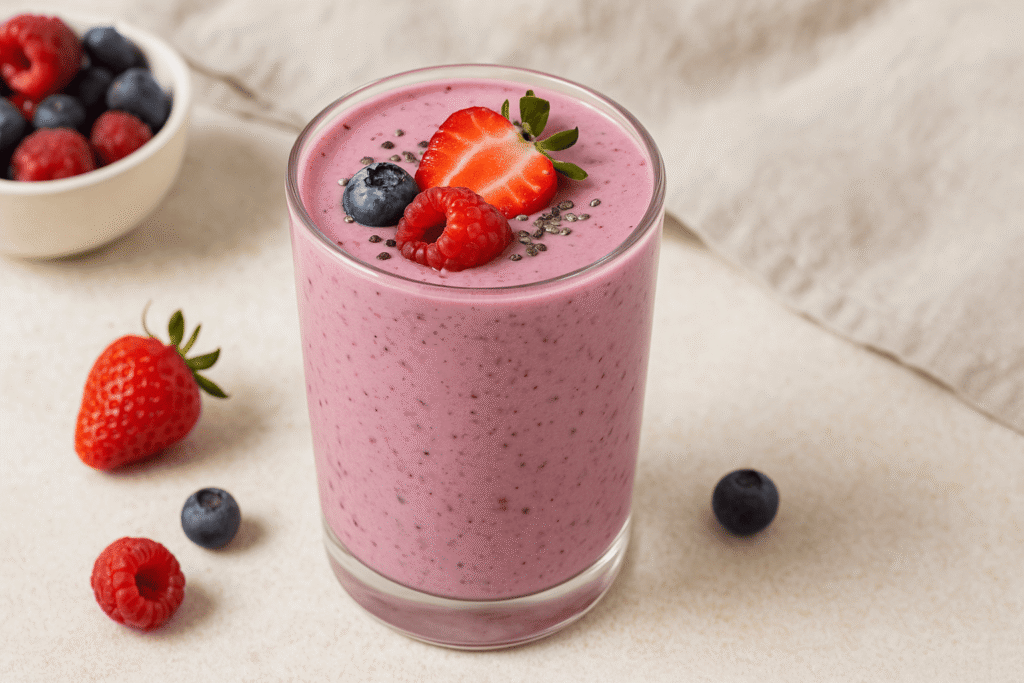
1. Berry Beet Blood-Flow Smoothie
Why it works: Beets increase nitric oxide production, improving circulation. Berries provide antioxidants to fight oxidative stress.
Ingredients:
- 1 small beetroot (boiled or raw, peeled)
- 1/2 cup blueberries
- 1/2 cup strawberries
- 1/2 banana
- 1 cup unsweetened almond milk
- 1 tbsp chia seeds
- 1/2 tsp cinnamon
Instructions:
- Blend all ingredients until smooth.
- Add ice cubes if desired.
- Serve fresh and enjoy.
Calories: ~180 per serving
Tip: Add a pinch of black pepper if adding turmeric for enhanced absorption.
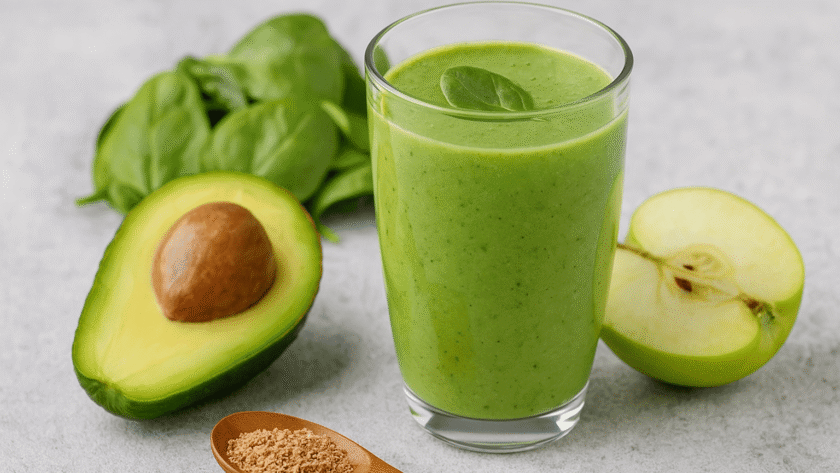
2. Avocado Spinach Omega Smoothie
Why it works: Avocado and flaxseeds supply healthy fats and fiber, reducing inflammation and improving cholesterol.
Ingredients:
- 1/2 ripe avocado
- 1 cup fresh spinach
- 1/2 green apple
- 1 tbsp ground flaxseed
- 1 cup unsweetened oat milk
- Juice of 1/2 lemon
- 1 tsp honey (optional)
Instructions:
- Combine all ingredients in a blender.
- Blend until creamy.
- Drink immediately for best nutrient absorption.
Calories: ~220 per serving
Tip: Use frozen spinach cubes to add texture and chill.
3. Banana Oat Cholesterol Control Smoothie
Why it works: Oats and bananas support digestion and aid in lowering LDL cholesterol.
Ingredients:
- 1 banana (ripe)
- 2 tbsp rolled oats (soaked for 10 minutes)
- 1 cup almond milk
- 1/2 tsp cinnamon
- 1 tbsp peanut butter (unsweetened)
Instructions:
- Soak oats for 10 minutes in warm water.
- Blend all ingredients until smooth.
- Serve with a sprinkle of cinnamon on top.
Calories: ~250 per serving
Tip: Great as a breakfast substitute with long-lasting satiety.
4. Turmeric Ginger Anti-Inflammatory Smoothie
Why it works: Curcumin in turmeric and gingerols in ginger are natural anti-inflammatory agents that reduce heart disease risk.
Ingredients:
- 1/2 mango (fresh or frozen)
- 1/2 banana
- 1/2 tsp turmeric powder
- 1/4 tsp fresh ginger (grated)
- 1/2 tsp black pepper
- 1 cup coconut water
- 1 tsp lemon juice
Instructions:
- Blend until smooth.
- Taste and adjust spice if needed.
- Garnish with mint leaves.
Calories: ~160 per serving
Tip: Pair with light morning yoga or a walk for best results.
5. Heart-Smart Cacao Berry Blend
Why it works: Cacao contains flavonoids that protect blood vessels. Berries and almond butter balance antioxidants and healthy fats.
Ingredients:
- 1 tbsp raw cacao powder
- 1/2 cup mixed berries
- 1 banana
- 1 tbsp almond butter
- 1 cup soy or almond milk
Instructions:
- Blend all ingredients on high.
- Add a dash of cinnamon for flavor.
- Serve immediately or store chilled.
Calories: ~240 per serving
Tip: Use frozen berries for an ice cream–like texture.

Nutritional Insights and Daily Use Tips
Even though these smoothies are power-packed, moderation and variety are key. It’s essential to rotate your ingredients throughout the week to prevent overconsumption of any one nutrient. Moreover, balance your smoothie with protein or fiber to avoid sugar spikes—even if natural.
How to Include Smoothies in Your Routine:
- Morning: Start your day with a fiber-rich banana oat or avocado smoothie.
- Post-Workout: Opt for the cacao berry smoothie with added protein.
- Afternoon Snack: Enjoy the turmeric ginger smoothie to fight inflammation.
Remember, smoothies should complement—not replace—whole meals unless designed with sufficient macronutrients.
FAQs: Smoothies and Heart/Cardiac Health
Q1: Can I have a smoothie every day?
Yes, as long as it’s balanced and not overly sweet. Include protein, fiber, and healthy fats to ensure stability in blood sugar levels.
Q2: Are fruit smoothies bad for the heart?
Not necessarily. However, if you add too many high-sugar fruits or use juices, it may spike your sugar levels. Always pair fruits with fiber and fat.
Q3: Which smoothie is best for high blood pressure?
Smoothies with spinach, banana, beets, and oats are great for lowering blood pressure due to their potassium and nitrate content.
Q4: How can I make my smoothies more filling?
Add ingredients like nut butter, Greek yogurt, flaxseeds, oats, or protein powder to increase satiety.
Q5: Can heart patients have smoothies with dairy?
If tolerated, low-fat dairy can be fine. However, plant-based milks like oat, soy, or almond are often recommended due to their low saturated fat content.
Final Thoughts: Blend Your Way to a Healthier Heart
The path to a healthy heart doesn’t always require major life overhauls. Often, small daily choices—like drinking a heart-nourishing smoothie—can make a big difference. With a variety of ingredients to mix and match, you’ll never get bored and your heart will thank you for every sip.
Try incorporating one smoothie per day as a snack or meal replacement, and pair it with a heart-friendly lifestyle: regular physical activity, limited alcohol, stress management, and low-sodium meals.
Together, let’s take proactive steps to protect the organ that powers our lives—one smoothie at a time.



Leave a Reply