


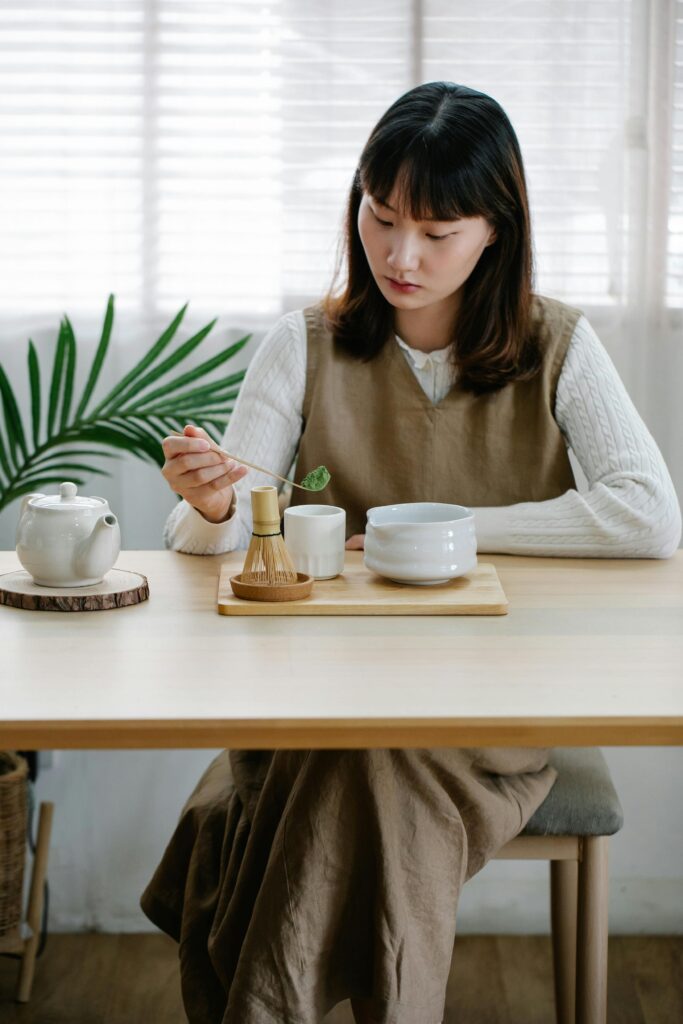
Matcha has taken the wellness world by storm—and for good reason. From ancient Japanese tea ceremonies to modern lattes in coffee shops, matcha is loved for its health benefits, vibrant green hue, and unique, earthy flavor. But did you know that how you drink matcha significantly affects its taste, texture, and benefits? In this Matcha Drinking Guide blog, we’ll explore how to drink matcha the correct way, covering traditional techniques, modern twists, ideal times to consume it, and common mistakes to avoid. Whether you’re a beginner or looking to perfect your matcha ritual, this comprehensive guide will ensure you sip matcha the way it was meant to be enjoyed.
What Is Matcha? A Brief Overview of Matcha Drinking Guide
Before we dive into the correct way to drink matcha, let’s first understand what makes it so special.
A Tea Like No Other
Matcha is a powdered form of specially grown green tea leaves. Unlike regular green tea, which is steeped and discarded, matcha is consumed whole, offering a concentrated dose of nutrients. Because of this, matcha provides more antioxidants, caffeine, and amino acids than standard teas.
How It’s Made
Matcha comes from the Camellia sinensis plant—the same plant that gives us black, white, and oolong teas. However, several weeks before harvest, the tea bushes are shaded from direct sunlight, which boosts chlorophyll and L-theanine levels. The leaves are then stone-ground into a fine powder.
Types of Matcha: Choose Wisely
When it comes to drinking matcha, the grade matters. Choosing the wrong type can lead to a bitter, unpleasant experience.
1. Ceremonial Grade
- Best for drinking straight with water
- Made from the youngest tea leaves
- Vibrant green in color
- Smooth, delicate flavor
- Slightly sweet, no bitterness
2. Culinary Grade
- Ideal for smoothies, baking, and lattes
- Made from slightly older leaves
- Duller green
- More robust, slightly bitter flavor
💡 Tip: For the authentic matcha tea-drinking experience, always go for ceremonial grade matcha.
Matcha Drinking Guide : How to Drink Matcha the Correct Way
Drinking matcha isn’t just about mixing powder and water—it’s a mindful ritual. Here’s how to do it right.
Step 1: Gather Traditional Tools
To drink matcha the traditional way (called Usucha or thin tea), use these tools:
- Chawan – A wide tea bowl
- Chasen – A bamboo whisk
- Chashaku – A bamboo scoop
- Sifter – For breaking up clumps
Although you can use modern kitchen tools, these traditional items enhance the preparation and experience.
Step 2: Sift the Matcha Powder
Matcha easily forms clumps due to static electricity. So before adding water:
- Use a fine mesh sifter.
- Place 1 to 2 grams (½ to 1 teaspoon) of matcha into the sifter.
- Gently push the powder through into your bowl.
This helps create a smooth, lump-free drink.
Step 3: Heat Water to the Right Temperature
Here’s a major mistake most beginners make: using boiling water. It burns the matcha, leading to bitterness.
✅ Ideal temperature: 75–80°C (167–176°F)
❌ Avoid: Water above 85°C (185°F)
To achieve this:
- Boil water and let it cool for 5–7 minutes
- Or mix 1 part cold water with 3 parts boiling water
Step 4: Whisk Like a Pro
This is where the magic happens.
- Add 2 oz of warm water to your sifted matcha.
- Hold the whisk with your dominant hand.
- Whisk in a quick “W” or “M” motion for 15–20 seconds.
- Stop when you see a frothy layer of bubbles.
✔️ Why this matters: Proper whisking aerates the matcha, giving it a creamy, frothy texture.
Step 5: Sip, Don’t Gulp
Once whisked, hold your chawan with both hands. Sip slowly. Matcha is meant to be savored, not chugged. In Japanese tea ceremonies, drinking matcha is a moment of stillness, connection, and gratitude.
Modern Ways to Enjoy Matcha
If the traditional method isn’t your style, don’t worry! You can still drink matcha in delicious, healthy ways.
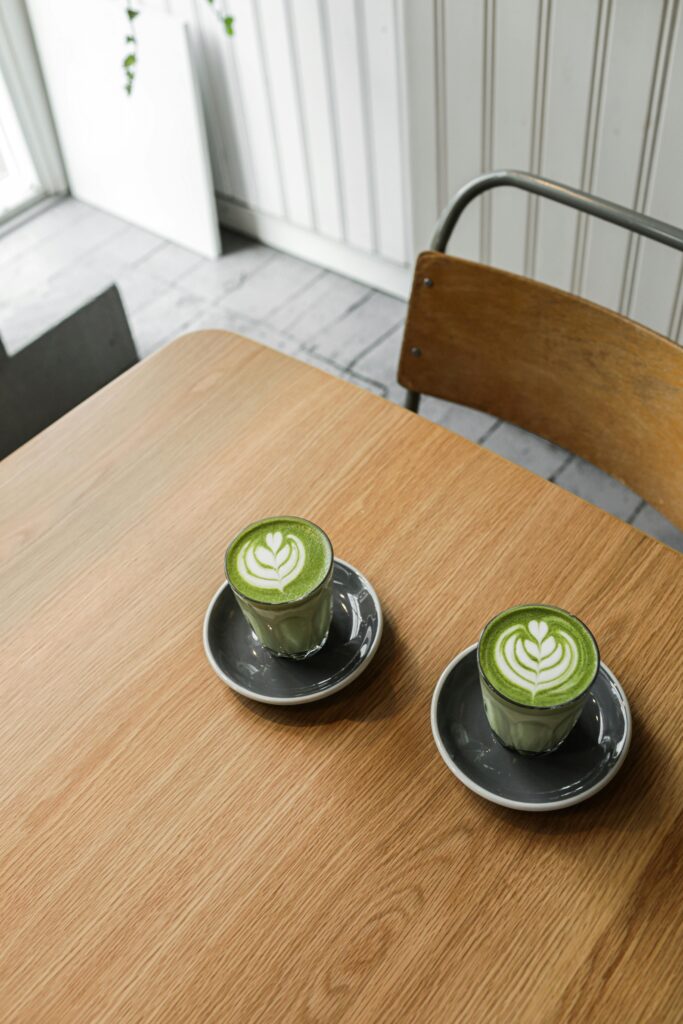
1. Matcha Latte (Hot or Iced)
Ingredients:
- 1 tsp matcha powder
- 2 oz hot water
- 6 oz warm or cold unsweetened almond milk (or oat/coconut milk)
- Optional: stevia, honey, or maple syrup
Instructions:
- Sift matcha into a cup.
- Add hot water and whisk into a paste.
- Pour in the milk and stir.
- Add sweetener if desired.
2. Matcha Smoothie
Ingredients:
- 1 tsp matcha
- 1 frozen banana
- 1 cup spinach
- ½ cup Greek yogurt or dairy-free alternative
- 1 cup water or milk
- 1 tbsp chia or flax seeds
Blend all ingredients and enjoy a powerful, green breakfast boost.
3. Sparkling Matcha Water
Mix ½ tsp matcha with 2 oz warm water. Whisk, then top with sparkling water, ice, and lemon. It’s refreshing and keto-friendly.
When to Drink Matcha
Drinking matcha at the right time maximizes its benefits.
✅ Best Times:
- Morning – Great substitute for coffee. Provides energy without jitters.
- Pre-Workout – Increases endurance and fat burning.
- Afternoon Slump – Boosts focus and calm without crashing.
❌ Avoid:
- Late evening or night – Matcha contains caffeine. Drinking it too late may interfere with sleep.
Health Benefits of Matcha Drinking & Guide
When prepared properly, matcha offers a long list of science-backed health perks:
🔹 Rich in Antioxidants
Matcha contains 137x more catechins than regular green tea—these protect cells from damage and aging.
🔹 Boosts Metabolism
A compound called EGCG (epigallocatechin gallate) supports fat oxidation, especially when paired with exercise.
🔹 Enhances Brain Function
Thanks to its combination of caffeine and L-theanine, matcha improves attention, memory, and calm alertness.
🔹 Detoxifies Naturally
Because of high chlorophyll content, matcha helps detox heavy metals and supports liver function.
🔹 Supports Heart Health
Regular consumption can lower LDL (bad) cholesterol and regulate blood pressure.
Common Mistakes to Avoid
Even though matcha seems simple, several common mistakes can ruin your experience.
❌ Using boiling water
It burns the powder, leading to bitterness.
❌ Skipping the sifting step
Clumps make the tea gritty and hard to mix.
❌ Buying low-quality matcha
Cheap matcha is often yellowish, bitter, and full of fillers.
❌ Not whisking enough
Without frothing, matcha tastes flat and feels chalky.
❌ Drinking it too fast
Matcha is a mindful beverage—savor it to fully appreciate its earthy depth.
Calorie and Nutrition Breakdown of Matcha
Here’s a quick look at matcha tea nutrition (for a traditional cup without milk):
| Nutrient | Amount (1 tsp matcha) |
|---|---|
| Calories | ~3 kcal |
| Protein | 0.3 g |
| Carbs | 0.4 g |
| Fiber | 0.3 g |
| Fat | 0 g |
| Caffeine | 60–70 mg |
🌿 Note: A matcha latte made with unsweetened almond milk typically contains 30–50 calories, depending on portion size.
Frequently Asked Questions (FAQs)
Q. Can I drink matcha every day?
Yes! In fact, many Japanese people drink it daily. Just don’t overdo it—stick to 1–2 servings per day due to caffeine content.
Q. Is matcha better than coffee?
That depends on your goals. Matcha provides calm focus without the jitters, while coffee gives a quick jolt but can lead to energy crashes.
Q. What does matcha taste like?
High-quality matcha is grassy, umami-rich, slightly sweet, and creamy. Poor-quality matcha tastes bitter or dull.
Q. How should I store matcha powder?
Keep it in an airtight container in the fridge or a dark, cool cabinet. Exposure to light, air, or moisture will degrade quality.
Final Thoughts: Make Matcha a Ritual
Drinking matcha the correct way transforms it from a basic beverage into a daily wellness ritual. From choosing the right grade to whisking with intention, every step matters. With its powerful health benefits and meditative preparation process, matcha is more than just a trend—it’s a practice that nourishes both body and mind.
So the next time you prepare your cup, take a moment to slow down, breathe, and sip with purpose. After all, how you drink matcha is just as important as why.
Leave a Reply Cancel reply