 ucalorie
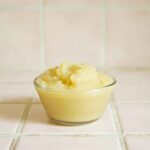
 If you’re in the mood for something sunny, tropical, and deliciously spreadable, this Mango Jam is about to become your new pantry favorite. With its luscious texture, naturally sweet flavor, and vibrant golden hue, this fruit-forward preserve captures the essence of ripe mangoes in every spoonful. Whether you’re slathering it on toast, swirling it into yogurt, glazing a cake, or gifting it in a pretty jar, Mango Jam delivers a burst of sunshine to your kitchen and beyond.
Not only is this Mango Jam incredibly easy to make, but it also requires minimal ingredients—just ripe mangoes, sugar, lemon juice, and a touch of water. Unlike store-bought versions loaded with preservatives or artificial flavoring, this homemade rendition celebrates the pure, natural taste of mangoes. Even better, it doesn’t require pectin, thanks to the mangoes’ natural fiber and lemon juice’s acidity, which work together to set the jam perfectly.
What sets this Mango Jam apart is its perfect balance of tang, sweetness, and fruitiness. While it’s soft and spoonable, it still has enough body to hold up on sandwiches, toast, and desserts. Moreover, with the right technique, you’ll create a preserve that’s not overly sugary, allowing the mango flavor to truly shine. And once you’ve mastered the basic version, it’s easy to add your own spin—think ginger for warmth, chili for heat, or vanilla for depth.
Whether you’re preparing a lazy Sunday brunch, jazzing up a pastry platter, or crafting a tropical cake filling, this Mango Jam offers freshness, versatility, and nostalgic charm in every bite.
Preparation Time for Mango Jam
- Preparation Time: 15 minutes
- Cooking Time: 30–35 minutes
- Cooling Time: 2–3 hours (or overnight)
- Total Time: ~3–4 hours
Ingredients for Mango Jam
For a small batch yielding approximately 2 cups of jam (about 500g), enough to fill 2–3 medium jars:
- Ripe Mangoes (peeled, pitted, and chopped) – 3 cups / ~450g (~270 calories)
- Granulated Sugar – 1½ cups / 300g (~1160 calories)
- Fresh Lemon Juice – 2 tbsp (~8 calories)
- Water – ¼ cup (~0 calories)
Optional Flavor Enhancers:
- Ground Ginger – ¼ tsp (~2 calories)
- Chili Flakes or Powder (for spicy version) – a pinch (~1 calorie)
- Vanilla Extract – 1 tsp (~12 calories)
- Lime Zest or Orange Zest – ½ tsp (~1 calorie)
Instructions: How to Make Mango Jam
1: Choose the Ripest Mangoes
Start with ripe, sweet mangoes for the most flavorful jam. Varieties like Alphonso, Ataulfo, or Kesar work beautifully due to their rich aroma and smooth texture.
- Select mangoes that are soft to the touch, fragrant, and free of blemishes.
- Avoid fibrous or unripe mangoes, which can lead to a gritty or sour jam.
- If your mangoes aren’t fully ripe, let them sit at room temperature for 2–3 days.
Tip: Slightly overripe mangoes (as long as they’re not spoiled) are ideal since they bring intense sweetness and softness.
2: Prepare the Mango Pulp
After washing the mangoes thoroughly:
- Peel each mango and slice the flesh away from the seed.
- Chop the mango flesh into small chunks and measure out about 3 packed cups.
- Use a food processor or immersion blender to puree the mango chunks until smooth. Alternatively, mash them with a fork or potato masher if you prefer a chunkier texture.
Tip: For a smoother jam, strain the puree through a fine mesh sieve to remove fibers.
3: Combine Ingredients in a Heavy-Bottomed Pan
Now transfer the mango pulp to a medium-sized saucepan. Add:
- Granulated sugar
- Freshly squeezed lemon juice
- ¼ cup of water
Turn the heat to medium and stir everything together with a heatproof spatula or wooden spoon.
Why Lemon Juice Matters:
Lemon juice not only brightens the flavor but also helps the jam set naturally by lowering the pH, which encourages the fruit’s natural pectin to gel.
4: Bring to a Boil and Simmer
Once everything is combined:
- Increase the heat to medium-high and bring the mixture to a gentle boil.
- Stir frequently to prevent scorching or sticking.
- As the jam boils, it will begin to thicken and reduce. Continue stirring regularly for 25–35 minutes.
Optional Additions:
During the last 10 minutes of cooking, stir in any optional ingredients like ginger, chili flakes, or vanilla for added complexity.
Tip: Use a splatter screen or partially cover the pot to minimize mess while still allowing steam to escape.
5: Test for Doneness
There are several easy ways to check if your mango jam is ready:
- Spoon Test: Dip a cold spoon into the jam and drag your finger across the back. If the line holds without running, it’s done.
- Plate Test: Place a small plate in the freezer for 10 minutes. Drop a spoonful of hot jam on it and tilt the plate. If it wrinkles and moves slowly, your jam is set.
- Thermometer Test: The mixture should reach 220°F (104°C) to ensure it will gel properly once cooled.
Tip: Be patient—jam thickens further as it cools.
6: Cool and Store Properly
After turning off the heat:
- Let the jam cool for 10–15 minutes in the pot.
- Pour it into clean, sterilized jars using a funnel or ladle. Wipe the rims clean and seal tightly.
- Let the jars cool completely at room temperature before storing.
For long-term storage:
- Store in the refrigerator for up to 3 weeks.
- Alternatively, use a water bath canning method for shelf-stable jam (see FAQs below).
Tip: Label your jars with the date and any added flavors for easy identification.
7: Enjoy, Spread, or Gift
Now that your mango jam is set and ready, it’s time to use it creatively:
- Spread it on toast, bagels, or English muffins.
- Swirl it into yogurt, oatmeal, or cottage cheese.
- Use it as a filling for cakes, cupcakes, or thumbprint cookies.
- Serve it alongside cheese platters or grilled meats for a sweet-savory twist.
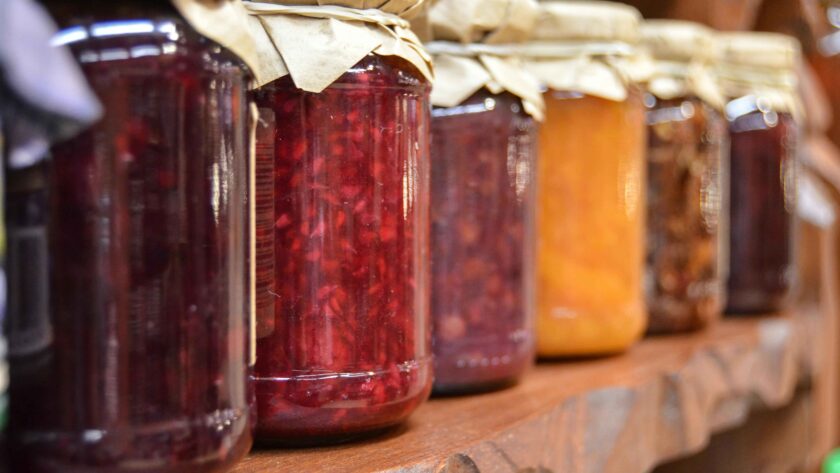
Additionally, a jar of homemade mango jam makes for a thoughtful gift—just tie a ribbon around the lid and add a handwritten tag.
Calorie Breakdown (Estimated)
- Mangoes: ~270 calories
- Sugar: ~1160 calories
- Lemon Juice: ~8 calories
- Water: 0 calories
- Optional Add-ins: ~15 calories
- Total Calories: ~1450 calories
- Yield: ~2 cups (500g)
- Servings: 20 (1 tablespoon each)
- Per Serving: ~72 calories
Why This Recipe Works
1. Bursting with Natural Mango Flavor
By using fresh, ripe mangoes and minimal additives, this jam captures the fruit’s true essence—sweet, tropical, and aromatic.
2. No Pectin Needed
Thanks to lemon juice and natural fruit sugars, this jam sets beautifully without the need for commercial pectin.
3. Easy, Flexible, and Beginner-Friendly
Even if you’ve never made jam before, this recipe walks you through every step. No special equipment needed—just a pot, spoon, and jars.
4. Customizable Add-ins
Spice it up, mellow it out, or infuse it with herbs and citrus—this mango jam is a blank canvas for your creative flavor pairings.
5. Small-Batch for Less Waste
You don’t need to make a huge quantity. This recipe is ideal for personal use, gifting, or experimenting with new flavor combinations.
FAQs
Can I use frozen mangoes?
Yes, frozen mango chunks work well. Simply thaw and drain before pureeing to remove excess moisture.
How long does this jam last?
Refrigerated jam stays fresh for up to 3 weeks. If canned using proper techniques, it can last up to 12 months in a cool, dark place.
Do I need to sterilize the jars?
Yes. Boil your jars and lids for 10 minutes, then dry them before use to ensure safety and freshness.
Can I reduce the sugar?
To a degree, yes. However, sugar helps with preservation and gelling, so avoid reducing it by more than 25%.
What if the jam is too runny?
Return it to the pot and simmer for another 5–10 minutes, testing again for doneness.
Is this jam safe for canning?
Absolutely. Use the water bath method—process sealed jars in boiling water for 10 minutes to make them shelf-stable.
Can I double or triple the recipe?
Yes, but increase cooking time accordingly and use a wider pot to prevent overflow.
What’s the best mango variety for jam?
Alphonso, Kesar, Ataulfo, or Kent are excellent choices due to their low fiber and rich taste.
Can I add less lemon juice?
Not recommended. Lemon juice aids in flavor balance and proper setting—omit it, and your jam may stay too soft.
What Makes This Recipe Special?
Tropical Goodness in Every Spoon
With a golden hue and sun-kissed sweetness, this jam brings a bit of summer warmth to your table no matter the season.
Versatile and Vibrant
Whether on toast, swirled into dessert, or used in glazes, Mango Jam adds both color and flavor to your culinary creations.
Perfectly Balanced
Not overly sugary or tart, this jam strikes a lovely balance between fruit-forward brightness and sweet indulgence.
Made for Sharing
Ideal for gifting, brunches, and afternoon snacks—this jam creates joy wherever it’s served.
A Pantry Staple with Personality
Store-bought jams simply can’t compare to the flavor and charm of homemade mango preserves. Once you taste it, there’s no going back.