 ucalorie
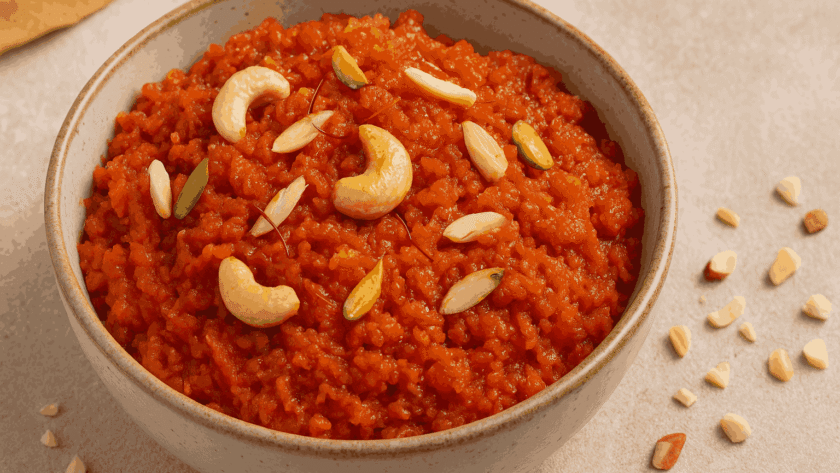
 Gajar Halwa Recipe is one of the most loved winter desserts in Indian households. Prepared using freshly grated carrots, milk, ghee, and sugar, this sweet dish carries a deep sense of nostalgia and comfort. The slow cooking process transforms simple ingredients into a rich dessert with a soft texture and deep caramelized flavor.
During winter months, especially when seasonal red carrots are available, many families prepare large batches of this halwa at home. The natural sweetness of the carrots combined with creamy milk and aromatic cardamom creates a dessert that feels both indulgent and comforting.
Unlike many complicated sweets, the preparation of Gajar Halwa is surprisingly straightforward. The magic comes from patience — allowing the carrots to slowly cook in milk until the flavors concentrate and the mixture thickens beautifully.
This traditional dessert is commonly served during celebrations and festivals, but it is equally enjoyable as a simple homemade treat after dinner. Whether eaten warm on a cold evening or chilled from the refrigerator, Gajar Halwa remains a timeless favorite.
If you are looking for a classic Indian carrot halwa recipe with clear instructions, calorie information, and helpful cooking insights, this guide will walk you through the entire process.
If you enjoy traditional Indian desserts, you may also like our Carrot Muffin Recipe, which uses fresh carrots to create a moist and flavorful dessert.
Recipe Overview of Gajar Halwa Recipe
Before starting the cooking process, here is a quick summary of the recipe.
Preparation Time: 20 minutes
Cooking Time: 60 minutes
Total Time: 1 hour 20 minutes
Servings: 6–8 portions
This recipe follows the traditional slow-cooked method, which produces the best flavor and texture.
Ingredients Required in Gajar Halwa Recipe
Main Ingredients
- 1 kg fresh red carrots (grated)
- 1 liter full-fat milk
- ¾ cup sugar (adjust according to taste)
- 4 tablespoons ghee
- ½ teaspoon cardamom powder
- ½ cup khoya (mawa), crumbled
Nuts and Garnish
- 2 tablespoons chopped cashews
- 2 tablespoons chopped almonds
- 1 tablespoon raisins
- 1 tablespoon sliced pistachios
- Few saffron strands soaked in warm milk (optional)
Using fresh seasonal carrots and full-fat milk makes a noticeable difference in taste.
Preparing the Carrots
The first step in making Gajar Halwa is preparing the carrots properly.
Start by washing the carrots thoroughly under running water to remove dirt. After cleaning them, peel the outer skin using a vegetable peeler.
Once peeled, grate the carrots using a medium-sized grater. The strands should not be extremely fine because slightly thicker strands give the halwa a better texture once cooked.
Fresh red carrots are preferred because they are naturally sweeter and have a deeper color compared to regular orange carrots.
Cooking Process (Step-by-Step) of Gajar Halwa Recipe
Step 1 – Cooking Carrots in Milk
Take a heavy-bottomed pan or kadhai and pour the milk into it. Heat the milk on medium flame until it begins to boil.
Once the milk starts bubbling, add the grated carrots and mix them well.
Reduce the flame slightly and allow the mixture to cook slowly. As the carrots simmer in milk, they begin to soften and absorb the creamy flavor.
This stage requires occasional stirring to ensure the mixture does not stick to the bottom of the pan.
Step 2 – Reducing the Milk
Continue cooking the mixture for about 25–30 minutes.
During this time, the milk gradually reduces while the carrots become soft and tender. The mixture will slowly change from a liquid consistency to a thick, creamy texture.
When most of the milk has evaporated, add 2 tablespoons of ghee and mix thoroughly.
The addition of ghee enhances both the aroma and richness of the dessert.
Step 3 – Adding Sugar
Once the carrots are completely soft, add the sugar.
After adding sugar, the mixture may become slightly watery because sugar releases moisture. Continue cooking the halwa while stirring frequently.
Gradually, the mixture will thicken again and develop a glossy appearance.
Step 4 – Mixing Khoya
Add the crumbled khoya to the halwa and mix continuously so that it blends evenly with the carrot mixture.
Khoya gives the dessert a creamy and slightly dense texture, which is typical of traditional halwa served in Indian homes and restaurants.
If khoya is not available, milk powder can be used as a substitute.
Step 5 – Final Flavoring
Add the remaining ghee and sprinkle cardamom powder.
Continue cooking for another 5–10 minutes until the halwa thickens and begins to leave the sides of the pan.
This indicates that the dessert has reached the correct consistency.
Step 6 – Roasting the Nuts
In a small pan, heat a teaspoon of ghee.
Add cashews, almonds, and raisins. Fry them lightly until the nuts become golden and the raisins puff up.
Mix most of the roasted nuts into the halwa and keep a few aside for garnishing.
If you’d like to save this recipe for later, you can save it on Pinterest here.
Serving the Halwa
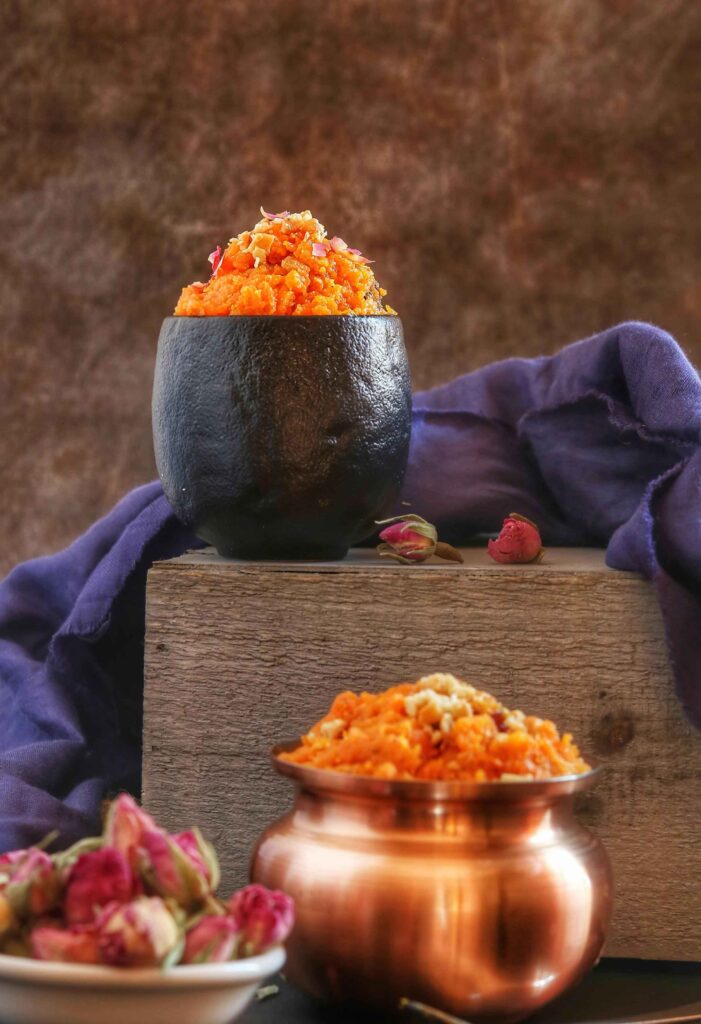
Transfer the prepared halwa into a serving bowl while it is still warm.
Sprinkle the remaining nuts, pistachios, and saffron milk on top.
Many people prefer eating Gajar Halwa warm during winter evenings. However, it can also be refrigerated and served chilled depending on personal preference.
Some modern variations include serving it with vanilla ice cream or kulfi, creating an interesting contrast between hot and cold textures.
Nutritional Information (Approximate) of Gajar Halwa Recipe
Per serving (based on 8 servings):
- Calories: 290 kcal
- Carbohydrates: 38 g
- Protein: 5 g
- Fat: 15 g
- Fiber: 2–3 g
- Vitamin A: High (from carrots)
- Calcium: Moderate (from milk and khoya)
These values can vary depending on the exact quantity of sugar, ghee, and nuts used.
Because carrots are naturally rich in beta-carotene and vitamin A, this dessert also provides some nutritional benefits along with its sweet flavor.
Storing and Reheating
If you prepare a larger batch, Gajar Halwa stores very well.
Allow the halwa to cool completely before transferring it to an airtight container.
In the refrigerator, it can remain fresh for up to 6–7 days.
To reheat, place the halwa in a pan on low heat and add a small spoon of milk or ghee to restore its creamy texture.
It can also be frozen for longer storage.
Helpful Cooking Insights
A few small adjustments can significantly improve the final result.
Using a heavy pan prevents the mixture from burning during long cooking times.
Cooking the halwa slowly helps the carrots absorb the milk properly and develop a richer flavor.
Sugar should always be added after the carrots soften, otherwise they may remain slightly firm.
Adding a small amount of extra ghee at the end enhances the aroma and gives the halwa a glossy finish.
Frequently Asked Questions (FAQs)
Why are red carrots recommended for Gajar Halwa?
Red carrots are sweeter and contain more natural flavor than regular orange carrots. They also give the halwa its traditional reddish color.
Can I make Gajar Halwa without khoya?
Yes. Khoya adds richness but it is optional. You can substitute it with milk powder or condensed milk.
How long does Gajar Halwa last in the refrigerator?
When stored in an airtight container, it can stay fresh for about 6–7 days in the refrigerator.
Can this recipe be made with less sugar?
Yes. The sugar quantity can be reduced depending on personal preference because carrots already contain natural sweetness.
Is Gajar Halwa served hot or cold?
Traditionally it is served warm, especially during winter. However, many people also enjoy it chilled.
Can Gajar Halwa be frozen?
Yes. It can be frozen for about 1 month. Reheat it slowly on low flame before serving.



Leave a Reply