



When it comes to healthy eating, most people focus solely on ingredients. While choosing fresh produce, lean proteins, and whole grains is important, how you cook those ingredients plays an equally crucial role. Cooking habits that ruin nutrition are surprisingly common—even among health-conscious people.
From overcooking vegetables to reusing cooking oil, your kitchen routine may be silently sabotaging the very nutrients you’re trying to consume. Thankfully, by identifying and correcting these common mistakes, you can unlock better health without changing what you eat—just how you cook it.
1. Overboiling Vegetables: A Nutrient Nightmare
One of the most common cooking habits that ruin nutrition is boiling vegetables for too long. While boiling may seem like a healthy cooking method, it often leads to the leaching of water-soluble vitamins such as:
- Vitamin C
- B-complex vitamins (like B1, B5, and folate)
These nutrients dissolve in water and are discarded when you drain the pot. For example, boiling spinach for just 10 minutes can remove more than 50% of its vitamin C content.
Better Method:
Instead of overboiling, steam your vegetables. Steaming helps retain the majority of nutrients, especially antioxidants. Moreover, roasting or sautéing vegetables in a little olive oil not only preserves nutrients but enhances flavor and absorption of fat-soluble vitamins like A, D, E, and K.
2. Reusing Cooking Oil: A Hidden Health Hazard
Reheating or reusing oil—especially at high temperatures—is one of the worst cooking habits that ruin nutrition and health. With each reuse, the oil breaks down further, producing harmful free radicals and trans fats.
These toxic byproducts can:
- Increase inflammation
- Raise LDL (bad) cholesterol
- Damage cellular structures
What You Can Do:
Use fresh, cold-pressed oils like olive oil, coconut oil, or avocado oil. If frying, use oils with high smoke points like ghee or peanut oil, and discard after one use.
Transition Tip: Additionally, switch to air frying or baking for a low-oil lifestyle that maintains flavor without the risks.

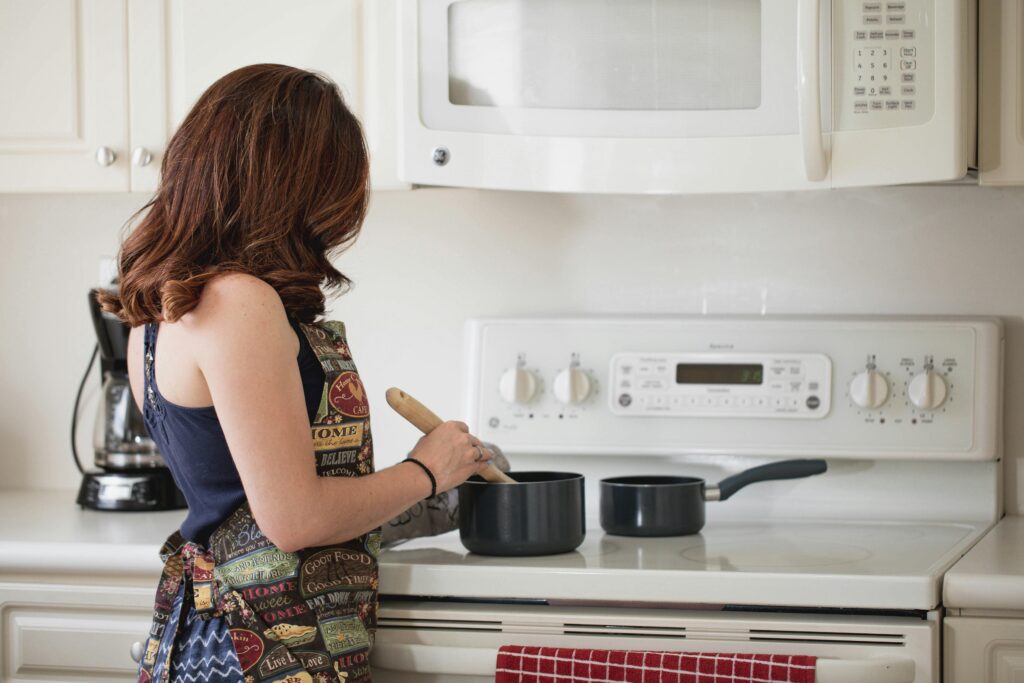
3. Cooking with High Heat: Nutrient Loss and Toxins
While grilling, roasting, or stir-frying may seem healthy, using excessively high heat can degrade sensitive nutrients such as:
- Vitamin C
- Omega-3 fatty acids
- Polyphenols
Moreover, cooking meat at high temperatures can lead to the formation of Advanced Glycation End Products (AGEs) and heterocyclic amines (HCAs), both of which are linked to cancer and inflammation.
Solutions:
Use medium heat settings, and avoid charring meat. Also, marinate meat in lemon juice or vinegar, which helps reduce harmful compounds during cooking.
4. Peeling Fruits and Vegetables: Fiber and Antioxidant Loss
Peeling apples, cucumbers, carrots, or potatoes might make them look neat, but you’re often removing the most nutritious part. Many antioxidants, minerals, and fiber are concentrated in the skin or just beneath it.
Examples:
- Apple skin contains quercetin, an antioxidant linked to heart health
- Potato skin holds more potassium and fiber than the flesh
- Cucumber skin contains silica, important for skin and joint health
Better Habit:
Wash produce thoroughly and consume with the peel whenever possible. In cases where the skin is too tough, like eggplants or pumpkins, cook them with the skin and remove later.
5. Storing Cooked Food for Too Long
Meal prepping is a great habit, but storing cooked food in the refrigerator for several days can cause gradual nutrient degradation. Furthermore, reheating certain foods multiple times can degrade their protein structure and destroy vitamins.
Nutrient-Sensitive Foods Include:
- Leafy greens
- Broccoli
- Fish and seafood
- Mushrooms
Smarter Habit:
Cook in smaller batches that can be consumed within 2 days. If storing, keep food in airtight glass containers and refrigerate immediately. Reheat only once.
6. Using Baking Soda in Vegetables: Looks Good, Feels Bad
Some people add baking soda while boiling green vegetables to preserve their color. However, this is one of the oldest cooking habits that ruin nutrition.
Baking soda destroys B vitamins and vitamin C. It also breaks down cellulose, making vegetables mushy and robbing them of their natural crunch and fiber.
What to Do Instead:
Blanch veggies in boiling water and transfer them to an ice bath. This method keeps them vibrant without sacrificing nutrients.
7. Cooking in Non-Stick Pans at High Heat
Non-stick pans make cooking easy, but using them at high temperatures causes the coating to degrade, releasing toxic fumes and possibly carcinogens like perfluorooctanoic acid (PFOA).
Additionally, the even heating often encourages high-heat habits that degrade nutrients quickly.
Safe Practice:
Use cast iron, ceramic, or stainless-steel pans. If you must use non-stick, keep the heat below 250°C (482°F) and never preheat an empty pan.
8. Ignoring Soaking and Sprouting
Legumes, lentils, and some grains contain antinutrients like phytic acid and lectins that block the absorption of iron, zinc, and calcium. Skipping soaking or sprouting can reduce their nutritional benefit.
Better Cooking Habit:
Soak beans, lentils, and grains for at least 6–8 hours. Better yet, sprout them. This breaks down antinutrients, enhances digestibility, and boosts B-vitamin levels.
9. Adding Salt Too Early While Cooking
Salt helps in seasoning food but adding it too early—especially to vegetables—can draw out water and lead to nutrient loss in the liquid. In soups and stews, this isn’t an issue, but in stir-fries or shallow frying, it results in soggy veggies with fewer nutrients.
What You Can Do:
Add salt toward the end of the cooking process or season right before serving. This also prevents over-salting and helps with portion control.
10. Overusing Processed Ingredients in Homemade Meals
Using store-bought sauces, pre-marinated meats, or bouillon cubes adds convenience but often introduces:
- Preservatives
- Excess sodium
- Added sugars
- Unhealthy fats
Healthier Swap:
Make your own sauces with natural ingredients like tomatoes, herbs, olive oil, and spices. Moreover, making spice blends at home gives you control over sodium and artificial flavors.
The Science of Nutrient Retention: Quick Summary
| Cooking Method | Nutrient Retention (%) | Best for |
|---|---|---|
| Steaming | 85–90% | Vegetables, fish |
| Microwaving | 80–90% | Almost all foods |
| Sautéing | 70–80% | Vegetables, meat |
| Boiling | 50–60% | Potatoes, legumes |
| Deep Frying | <50% | Avoid or use sparingly |
How to Fix Cooking Habits That Ruin Nutrition
Now that you know which habits are harming your food’s nutritional value, here’s a checklist of quick fixes:
Use steaming instead of boiling
Steaming helps preserve water-soluble vitamins like Vitamin C and B-complex, which are often lost during boiling.
Don’t peel unless necessary
Many nutrients are concentrated in or just under the skin of fruits and vegetables. Peeling unnecessarily strips away essential fiber and antioxidants.
Avoid reheating food multiple times
Repeated reheating can break down nutrients and increase the risk of foodborne illnesses due to bacteria growth.
Soak and sprout grains and legumes
This improves digestibility and reduces anti-nutrients like phytic acid, making minerals more bioavailable.
Marinate meats before cooking
Marinating with ingredients like lemon juice, yogurt, or vinegar can reduce harmful compounds formed during high-heat cooking.
Don’t reuse oil
Reheating oil degrades its quality, releasing harmful free radicals and trans fats that can increase inflammation in the body.
Add salt at the end
Adding salt at the end of cooking helps you use less while enhancing flavor and preserving certain nutrients during the cooking process.
Store food in glass, not plastic
Plastics can leach harmful chemicals into food, especially when heated. Glass is safer and more sustainable.
Don’t add baking soda to vegetables
Although it keeps veggies green, baking soda destroys essential vitamins like Vitamin C and thiamine.
Pro Tip: Keep a small cooking journal. Jotting down methods and results helps build awareness and improves your cooking habits over time.
FAQs: Cooking Habits That Ruin Nutrition
1. Is microwaving bad for nutrients?
No. Contrary to myth, microwaving retains more nutrients than boiling or frying, thanks to shorter cooking times and minimal water use.
2. Can I cook vegetables in a pressure cooker?
Yes, but use minimal water and avoid overcooking. For delicate vegetables like spinach or broccoli, steaming is better.
3. Are raw vegetables always better?
Not always. Cooking can increase the availability of some antioxidants like lycopene in tomatoes and beta-carotene in carrots.
4. Is grilling unhealthy?
Only if you char the food. Moderate heat and proper marination make grilling a safe and tasty option.
Final Thoughts: Make Small Changes for Big Nutritional Gains
Changing your cooking habits doesn’t mean overhauling your lifestyle. It simply means paying attention to heat, time, oil, and storage. By correcting cooking habits that ruin nutrition, you preserve what matters most—vitamins, minerals, and antioxidants your body craves.
In conclusion, it’s not just about what’s on your plate—it’s about how it got there. So next time you cook, think about preservation, not just presentation.
Leave a Reply Cancel reply