 ucalorie
 In the vibrant world of South Indian cuisine, Coconut Chutney holds a special place. Whether you’re enjoying fluffy idlis, crispy dosas, or piping hot vadas, this chutney serves as the perfect accompaniment. Not only does it enhance the flavors of the main dish, but it also introduces a refreshing balance to the meal. Today, let’s dive deep into the art of making authentic coconut chutney, explore its variations, and understand why it’s a staple in many Indian households.
Why Coconut Chutney?
Before we proceed to the recipe, it’s essential to appreciate why coconut chutney is so cherished:
- Nutritious and Wholesome: Rich in fiber, healthy fats, and essential vitamins.
- Quick to Prepare: Takes less than 15 minutes from scratch.
- Customizable: Can be easily modified with a variety of flavors.
- Perfect for Every Meal: Pairs excellently with breakfast, lunch, or even dinner.
Ingredients List for Coconut Chutney
Here is the complete list of ingredients required for a classic coconut chutney. Make sure to gather fresh and high-quality components to maximize the taste and nutrition.
For the Chutney:
- Fresh grated coconut – 1 cup (tightly packed)
- Roasted chana dal (dalia) – 2 tablespoons
- Green chilies – 2 (adjust as per spice preference)
- Ginger – 1-inch piece
- Garlic – 1 clove (optional)
- Salt – to taste
- Water – ½ to ¾ cup (adjust for desired consistency)
For the Tempering (Tadka):
- Coconut oil or any neutral oil – 1 tablespoon
- Mustard seeds – 1 teaspoon
- Dried red chili – 1
- Curry leaves – 8-10 leaves
- Urad dal (split black gram) – 1 teaspoon
- Asafoetida (hing) – a pinch
Kitchen Equipment Needed for Coconut Chutney
To prepare this chutney efficiently, you will need:
- Mixer grinder or blender
- Small tempering pan
- Spatula
- Measuring spoons and cups
- Knife and chopping board
Step-by-Step Instructions for Coconut Chutney
Step 1: Prepare Ingredients
First and foremost, ensure that all ingredients are washed and ready. Grate the coconut finely if you’re using fresh coconut. Although you can use frozen coconut, fresh coconut offers the most authentic taste and texture.
Step 2: Blending the Chutney
Now, let’s blend the chutney:
- In the blender jar, add grated coconut, roasted chana dal, green chilies, ginger, and garlic.
- Sprinkle salt as per your taste preference.
- Pour in half a cup of water to start.
- Blend the mixture to a smooth consistency. During blending, if the mixture appears too thick, gradually add more water.
- Once you achieve a smooth and slightly thick paste, transfer it to a serving bowl.
Step 3: Tempering
Tempering, or tadka, adds an explosion of aroma and flavor to the chutney. Follow these steps carefully:
- Heat oil in a small tempering pan on medium flame.
- Once the oil is hot, add mustard seeds. Let them splutter.
- Add urad dal and fry until golden brown.
- Toss in the dried red chili and curry leaves. Be cautious as the oil may splatter.
- Finally, add a pinch of asafoetida.
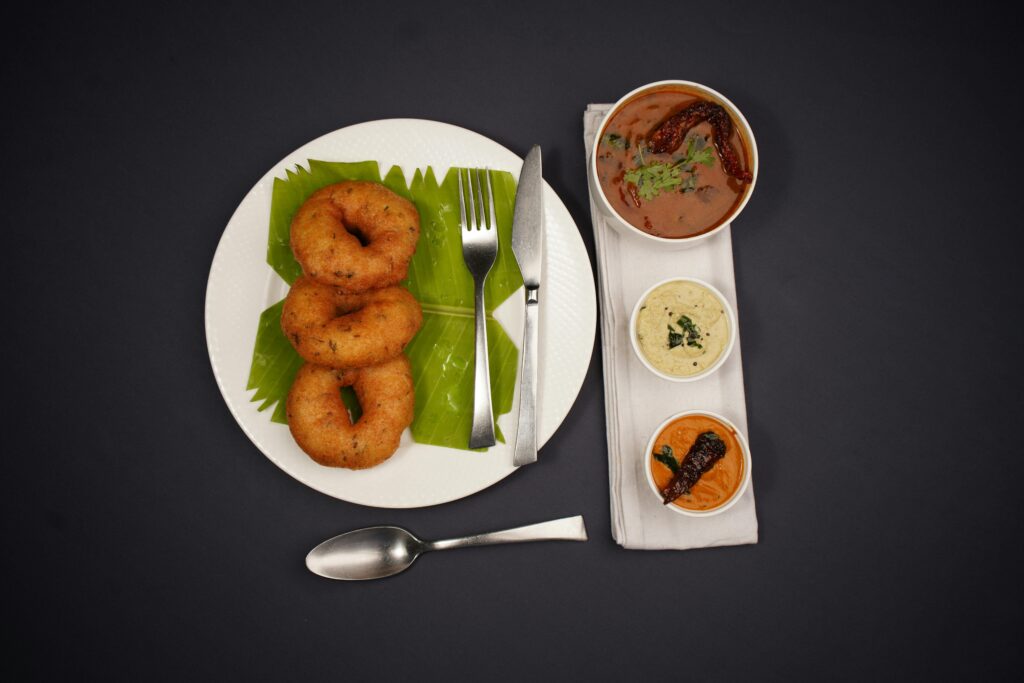
- Immediately pour this tempering over the prepared chutney and mix well.
Why This Coconut Chutney Works
At this point, you might wonder: what makes this coconut chutney recipe so reliable? The secret lies in balancing the ingredients perfectly.
- Roasted chana dal provides thickness and a mild nutty flavor.
- Green chilies bring in the required heat without overpowering the taste.
- Ginger and garlic contribute an aromatic depth, making the chutney vibrant.
- Tempering adds the final touch, infusing the chutney with rich, toasty notes.
Nutritional Information for Coconut Chutney
Here’s a rough estimate of the nutrition per 2-tablespoon serving:
| Nutrient | Amount |
|---|---|
| Calories | 55 kcal |
| Carbohydrates | 3 g |
| Protein | 1.5 g |
| Fat | 4.5 g |
| Fiber | 1 g |
| Sodium | 100 mg |
These values may vary slightly depending on the exact measurements and ingredients used.
Variations to Try with Coconut Chutney
Even though the classic version is delightful, you might want to experiment. Here are some popular variations:
1. Mint Coconut Chutney
- Add a handful of fresh mint leaves while blending for a refreshing twist.
2. Peanut Coconut Chutney
- Replace roasted chana dal with roasted peanuts for a creamier texture.
3. Tamarind Coconut Chutney
- Add a small piece of soaked tamarind for a tangy punch.
4. Red Coconut Chutney
- Substitute green chilies with dried red chilies and add a touch of Kashmiri red chili powder.
5. Onion Coconut Chutney
- Blend one small onion along with the other ingredients for added sweetness.
Serving Suggestions for Coconut Chutney
Coconut chutney is incredibly versatile. Here are a few pairing ideas:
- Idli (Steamed Rice Cakes)
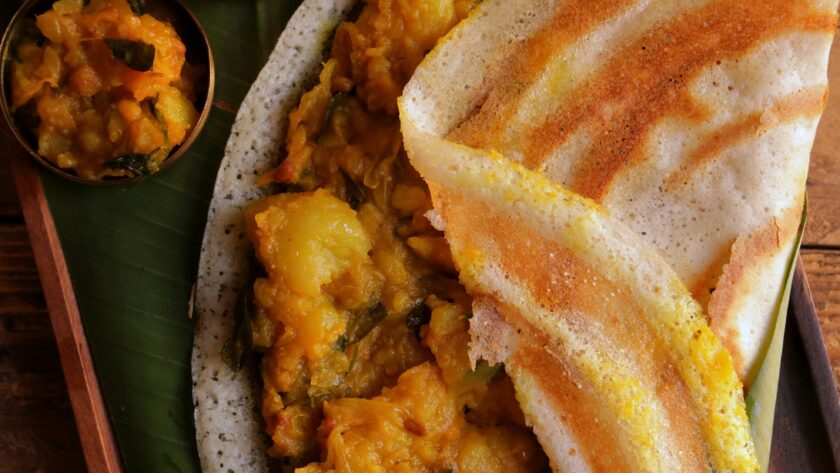
- Dosa (South Indian Crepes)
- Vada (Lentil Doughnuts)
- Upma (Semolina Porridge)
- Pongal (Rice and Lentil Khichdi)
- Uttapam (Savory Pancake)
Undoubtedly, it even tastes amazing as a spread in sandwiches or wraps, offering a South Indian flair to your daily meals.
Storage Tips for Coconut Chutney
Since fresh coconut has a short shelf life, storing the chutney properly is crucial.
- Refrigerator: Store in an airtight container. Stays fresh for up to 2 days.
- Freezer: You can freeze the chutney for up to 1 month. Thaw it at room temperature before use.
- Avoid keeping at room temperature for long: Coconut spoils quickly without refrigeration.
Expert Tips for Perfect Coconut Chutney
As with any recipe, attention to small details elevates the final product. Here are some expert suggestions:
- Use fresh coconut whenever possible. The flavor is far superior to desiccated or frozen options.
- Balance the water: Adding too much water can make the chutney watery, while too little may make it dry.
- Always roast chana dal lightly before adding if it’s not already roasted.
- Temper immediately before serving to retain the crunch and aroma.
- Taste and adjust salt right before serving for the most accurate seasoning.
The Cultural Significance of Coconut Chutney
Coconut chutney is not merely a condiment; it carries cultural significance, especially in South India. For instance:
- Religious Functions: Often made fresh during festivals, temple offerings, and religious ceremonies.
- Family Gatherings: A staple during family breakfasts and special occasions.
- Everyday Meal: Found in nearly every household as a daily side dish.
Because of its simplicity and depth of flavor, it continues to bridge generations and regions.
Frequently Asked Questions (FAQs)
Q1: Can I use desiccated coconut?
Answer: Yes, you can use desiccated coconut if fresh coconut is unavailable. However, soak it in warm water for 10-15 minutes before blending to soften it.
Q2: How do I make my chutney less spicy?
Answer: Simply reduce the number of green chilies or remove the seeds before blending.
Q3: Why does my chutney turn watery after a few hours?
Answer: Coconut tends to release water when stored. Use minimal water while blending and stir before serving.
Q4: Can I skip the tempering?
Answer: While you can skip it, the tempering adds a rich aroma and crunchy texture that significantly enhances the chutney.
Q5: Is coconut chutney healthy?
Answer: Yes, in moderation. It provides healthy fats, fiber, and essential nutrients but should be consumed mindfully due to its fat content.
A Brief History of Coconut Chutney
The origins of coconut chutney trace back to coastal regions where coconut grows abundantly. Kerala, Karnataka, Andhra Pradesh, and Tamil Nadu each have their unique spin on this classic. Historically, it was a way to utilize fresh coconuts creatively and nutritiously, complementing the predominantly rice-based diets of these regions.
Pair It With This Complete South Indian Breakfast Menu
For a wholesome and authentic breakfast experience, serve coconut chutney alongside:
- Steamed Idlis
- Crisp Plain Dosas
- Potato Masala
- Filter Coffee
Altogether, this combination creates a symphony of flavors, textures, and aromas that showcase the depth of South Indian cuisine.
Sustainability Tip
If you’re using whole coconuts, don’t discard the shells. You can repurpose them creatively:
- As eco-friendly serving bowls
- As natural plant pots
- For craft projects
Utilizing every part of the coconut not only reduces waste but also honors the resourcefulness embedded in traditional cooking.
Final Thoughts
To sum up, Coconut Chutney is far more than a simple side dish. It embodies the essence of South Indian culinary heritage—fresh, flavorful, and comforting. With endless variations and quick preparation time, it’s easy to see why it remains a beloved staple across Indian households and beyond.
So, the next time you prepare idlis or dosas, don’t forget to whip up this heavenly coconut chutney. As you savor each bite, you’ll appreciate not only its creamy texture and balanced flavor but also the generations of culinary wisdom that have kept this recipe alive.



Leave a Reply