 ucalorie
 Bajre ki roti , made from pearl millet (bajra), is more than just a traditional Indian flatbread. Packed with essential nutrients, this wholesome roti has stood the test of time as a staple in Indian households. Today, scientific studies confirm what generations have known: Bajre ki roti benefits digestion, heart health, blood sugar control, and overall wellness naturally. In this article, we will explore bajre ki roti benefits how to incorporate it into your daily meals, and why it deserves a permanent spot on your plate.
What is Bajre Ki Roti?
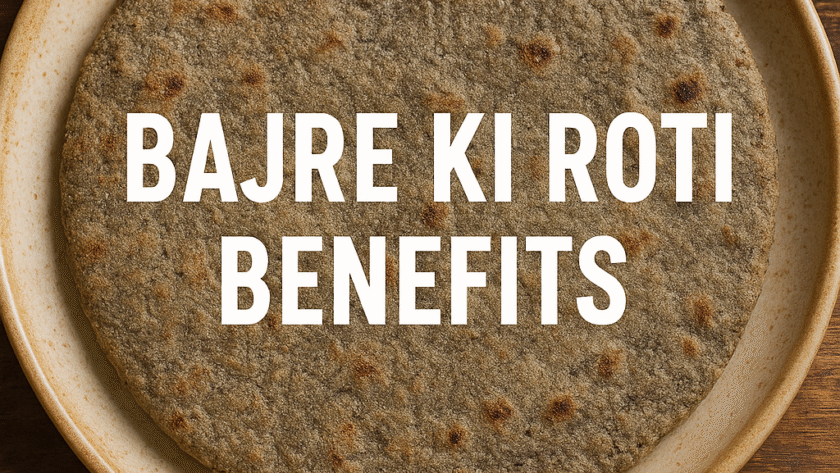
Bajre ki roti is a flatbread made from pearl millet flour, also called bajra. Its nutty taste, slightly coarse texture, and earthy aroma make it unique. Commonly eaten in Rajasthan, Maharashtra, Gujarat, and Haryana, bajre ki roti is naturally gluten-free and rich in fiber, making it ideal for a healthy lifestyle. Unlike refined wheat rotis, bajre ki roti recipe retains all nutrients because it is made from whole grains.
Nutritional Value of Roti
Understanding the nutritional profile is essential to appreciate its health impact:
- Calories: 100–120 per roti
- Carbohydrates: 20–25g
- Protein: 3–4g
- Fiber: 3–5g
- Fat: 1–2g (without ghee)
- Vitamins & Minerals: Rich in iron, magnesium, phosphorus, potassium, and B-complex vitamins
Clearly, bajre ki roti is nutrient-dense, providing energy, supporting metabolism, and contributing to overall health.
Bajre Ki Roti for Digestive Health
One of the most significant bajre ki roti benefits is its positive effect on digestion. High fiber content promotes smooth bowel movements and prevents constipation. Additionally, fiber acts as a prebiotic, nurturing beneficial gut bacteria. By improving digestion, bajre ki roti enhances nutrient absorption and supports a healthy gut environment.
Bajre Ki Roti for Weight Management
Another advantage of bajre ki roti is weight control. Because it is rich in fiber, it promotes satiety and reduces hunger pangs. Unlike refined wheat, bajre releases energy slowly, preventing sugar spikes and unhealthy cravings. A low glycemic index ensures a steady blood sugar level, making it ideal for people seeking weight management or metabolic balance.
Bajre Ki Roti for Blood Sugar Control
For diabetics, bajre ki roti is a natural ally. Slow-release carbohydrates stabilize blood sugar levels, while magnesium improves insulin sensitivity. Replacing refined wheat with bajre ki roti in meals can lower the risk of type 2 diabetes. Its high fiber content further supports glycemic control, making it an excellent choice for long-term health.
Bajre Ki Roti for Heart Health
Bajre ki roti also strengthens cardiovascular health. Magnesium helps relax blood vessels, while potassium balances sodium levels to maintain healthy blood pressure. Moreover, dietary fiber binds with cholesterol in the digestive tract, reducing LDL cholesterol. Regular consumption may reduce the risk of heart disease and stroke.
Bajre Ki Roti for Energy and Immunity
Bajre ki roti provides sustained energy due to complex carbohydrates that metabolize slowly. This makes it perfect for physically active individuals. Additionally, minerals like calcium, iron, and magnesium strengthen bones and boost immunity. Its antioxidants combat free radicals, supporting overall health and well-being.
Bajre Ki Roti for Skin and Hair
The vitamins and minerals in roti improve skin elasticity and promote hair growth. Iron and zinc prevent hair fall, while antioxidants delay premature aging. Regular consumption contributes to a natural glow and strengthens overall vitality.
Tips to Make Perfect Roti
- Use warm water for kneading to achieve soft dough.
- Add a pinch of salt for enhanced flavor.
- Cook on a hot tava (griddle) for even browning.
- Serve immediately with ghee for traditional taste.
- Mix with wheat flour (optional) for easier rolling while maintaining nutrients.
Bajre Ki Roti vs Wheat Roti
| Aspect | Bajre Ki Roti | Wheat Roti |
|---|---|---|
| Gluten | Gluten-free | Contains gluten |
| Fiber | High | Moderate |
| Glycemic Index | Low | Medium |
| Minerals | High | Moderate |
| Energy Release | Slow & sustained | Quick spike |
The table clearly demonstrates why bajre ki roti is healthier than wheat roti, especially for blood sugar, weight, and heart health.
How Often Should You Eat this Roti?
Eating 2–3 bajre ki rotis daily is sufficient for reaping health benefits. They can replace wheat rotis or be rotated with other millet rotis. For digestive comfort, start gradually and increase as your body adjusts.
Common Myths About Bajre Ki Roti
Myth 1: Hard to digest
Fact: When cooked properly, bajre ki roti is light and easy to digest.
Myth 2: Only for winter
Fact: It can be consumed year-round and is even suitable with yogurt in summer.
Myth 3: Tasteless
Fact: Served with ghee, jaggery, or vegetables, bajre ki roti is flavorful and satisfying.
Conclusion
In conclusion, bajre ki roti is not only a traditional staple but also a powerhouse of nutrition. With benefits ranging from improved digestion, weight management, blood sugar stabilization, heart health, and immunity, to glowing skin and strong hair, it is a perfect addition to a modern healthy diet. By incorporating bajre ki roti into your daily meals, you can enjoy a naturally gluten-free, fiber-rich, and nutrient-dense alternative to wheat. Whether you aim to manage diabetes, lose weight, or simply eat healthier, bajre ki roti is your go-to flatbread for overall wellness.



Leave a Reply