 ucalorie
 Fiber is often underestimated in the nutrition world, yet it plays a vital role in digestive health, weight management, and even heart wellness. Whether you’re trying to lose weight, lower cholesterol, regulate blood sugar, or simply stay fuller for longer, fiber-rich foods should be a cornerstone of your diet. In this blog, we will walk you through 7 fiber- rich foods , each with its own health benefits and simple recipes to integrate into your everyday meals. Moreover, these foods aren’t just healthy—they’re delicious, versatile, and easily accessible.
1. Chia Seeds: The Tiny Giants of Fiber
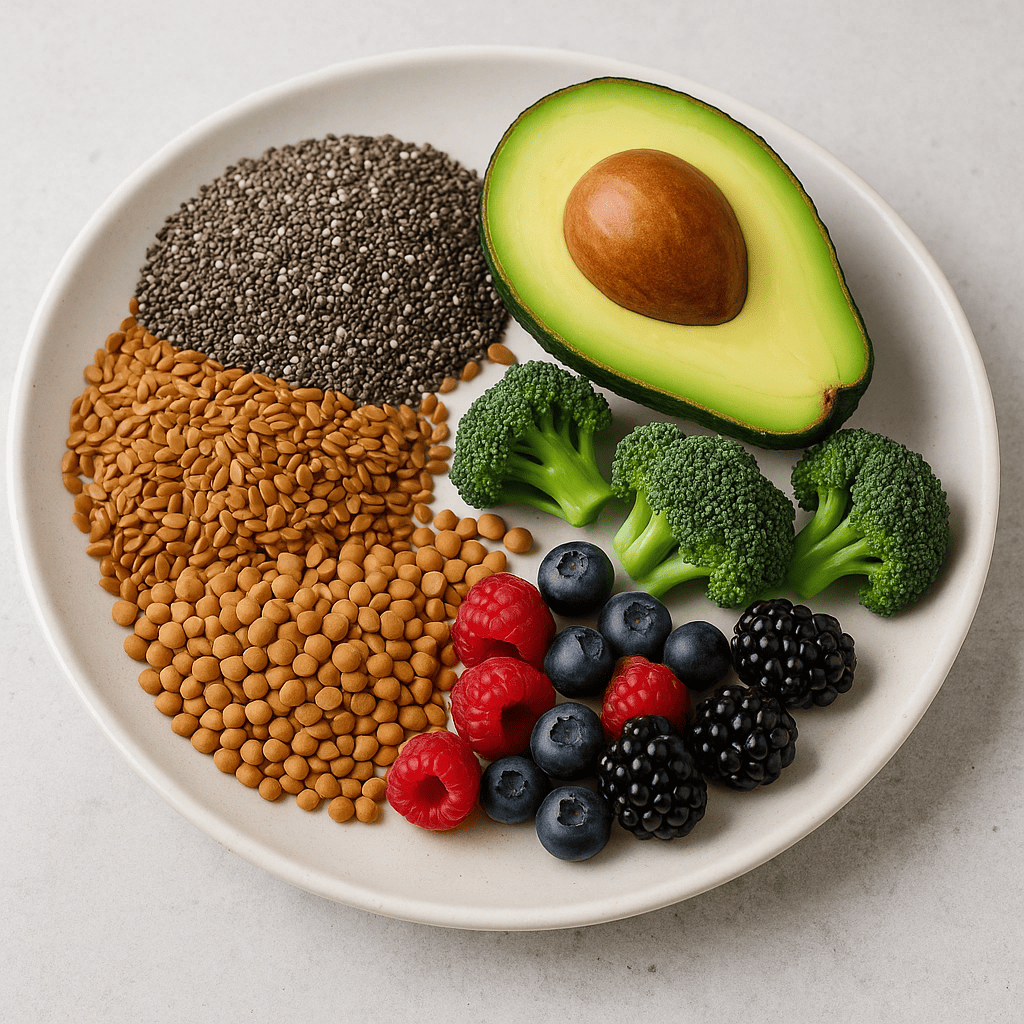
Chia seeds may be small, but they’re nutritional powerhouses. Just 2 tablespoons offer approximately 10 grams of fiber. Additionally, they swell in your stomach, increasing fullness and improving satiety.
Why They Work:
Chia seeds are soluble fiber-rich, meaning they form a gel-like texture in your gut that slows digestion and supports steady energy levels. Besides aiding digestion, chia seeds are also rich in omega-3 fatty acids and protein.
How to Use:
- Add 1 tbsp to smoothies.
- Mix with almond milk and a sweetener to make chia pudding.
- Sprinkle over salads or yogurt bowls.
Quick Recipe:
Chia Pudding with Berries
- 2 tbsp chia seeds
- 1 cup unsweetened almond milk
- 1 tsp maple syrup (optional)
- ½ cup mixed berries
Mix all ingredients and let sit overnight. Enjoy chilled!
2. Lentils: Affordable and Filling
Lentils are a staple in many cuisines and an excellent plant-based protein source. One cup of cooked lentils contains about 15.6 grams of fiber, making them an incredible tool for your digestive system.
Why They Work:
Lentils contain both soluble and insoluble fiber. Consequently, they improve gut movement while also stabilizing blood sugar levels. Moreover, they are rich in folate and iron, supporting overall energy and immune health.
How to Use:
- Boil and toss into salads.
- Make a hearty lentil soup.
- Use as a stuffing for vegetables.
Quick Recipe:
Spiced Lentil Soup
- 1 cup lentils
- 1 diced tomato
- 1 chopped onion
- 2 garlic cloves
- 1 tsp cumin & turmeric
Boil until soft, season, and blend partially for a thick texture.
3. Oats: Breakfast Hero
Oats have long been hailed as a heart-healthy grain, and rightly so. With 4 grams of fiber per 1/2 cup of dry oats, they are especially rich in beta-glucan, a type of soluble fiber linked to cholesterol reduction.
Why They Work:
Oats slow down digestion, keeping you full for hours. Moreover, they support gut-friendly bacteria, helping your microbiome thrive.
How to Use:
- Prepare overnight oats with fruit.
- Make fiber-rich oat pancakes.
- Blend into smoothies for thickness.
Quick Recipe:
Overnight Apple Oats
- ½ cup oats
- ½ grated apple
- ¾ cup milk of choice
- 1 tbsp flaxseed
- Cinnamon to taste
Refrigerate overnight, stir, and enjoy a cold, satisfying meal.
4. Avocados: Creamy Fiber Bomb
While avocados are commonly praised for their healthy fats, they are also impressively high in fiber. A single avocado offers around 10 grams of fiber, making it one of the highest among fruits.
Why They Work:
Avocados contain both types of fiber. Soluble fiber supports nutrient absorption, while insoluble fiber improves bowel regularity. Furthermore, their creamy texture makes them ideal for spreads, sauces, and dips.
How to Use:
- Spread on whole grain toast.
- Blend into smoothies for creamy texture.
- Dice and toss into salads.
Quick Recipe:
Avocado Toast with Seeds
- 1 ripe avocado
- 2 slices whole grain bread
- Sprinkle chia/flax seeds
- Lemon juice and pepper
Mash avocado, spread on toast, sprinkle seeds, and serve immediately.
5. Broccoli: Crunchy and Clean
This cruciferous vegetable is not only low in calories but also high in fiber, delivering about 5 grams per cup. Besides, broccoli also contains sulforaphane, a plant compound with powerful detoxifying properties.
Why They Work:
Broccoli’s fibrous content improves colon health. In addition, it supports healthy liver function and reduces inflammation, thanks to its antioxidants.
How to Use:
- Steam lightly and season.
- Add to stir-fries or soups.
- Roast with garlic for a nutty flavor.
Quick Recipe:
Garlic Roasted Broccoli
- 2 cups broccoli florets
- 1 tbsp olive oil
- 3 garlic cloves, minced
- Salt and pepper
Roast at 200°C for 20 minutes. Serve hot with lemon zest.
6. Berries: Sweet Yet Powerful
Strawberries, raspberries, and blackberries all rank high in fiber content. In fact, 1 cup of raspberries contains around 8 grams of fiber! Unlike many sweet snacks, berries are low in sugar and calories.
Why They Work:
Berries offer a mix of fiber and antioxidants. As a result, they regulate blood sugar and reduce oxidative stress. Furthermore, they support cognitive health.
How to Use:
- Top onto yogurt or oatmeal.
- Blend into smoothies.
- Freeze for a cooling snack.
Quick Recipe:
Berry Yogurt Parfait
- 1 cup Greek yogurt
- ½ cup berries
- 2 tbsp granola
- 1 tsp honey
Layer ingredients in a glass, repeat, and enjoy chilled.
7. Flaxseeds: Nutrient-Dense Crumbs
Ground flaxseeds provide 2.8 grams of fiber per tablespoon. Additionally, they’re rich in lignans, a compound shown to help balance hormones and reduce cancer risk.
Why They Work:
Once ground, flaxseeds become easier to digest and absorb. Moreover, the fiber in flaxseeds helps with constipation and supports heart health.
How to Use:
- Add 1 tbsp to oatmeal or smoothies.
- Mix into baking batters.
- Stir into yogurt or soups.
Quick Recipe:
Flaxseed Banana Smoothie
- 1 banana
- 1 tbsp ground flaxseeds
- 1 cup almond milk
- 1 tsp cinnamon
Blend until smooth and drink chilled for a fiber-filled breakfast.
How Much Fiber Do You Need?
On average, women need around 25 grams and men require about 38 grams of fiber daily. However, most people consume less than 15 grams per day, which can lead to poor digestion, fatigue, and other health issues. That’s where these 7 fiber-rich foods come in—they can make it easier to hit your daily target without overhauling your entire diet. Including these 7 fiber-rich foods consistently can help bridge the gap between what your body needs and what you’re actually eating.
Tips to Increase Fiber Intake Gradually
While it’s tempting to overhaul your entire diet overnight, doing so can cause bloating or discomfort. Therefore, follow these strategies:
- Increase slowly: Add one fiber-rich food at a time.
- Stay hydrated: Fiber works best with water.
- Combine types: Mix soluble and insoluble fiber sources.
- Read labels: Choose whole grains over refined ones.
Fiber Myths vs. Facts
Myth 1: All fiber is the same.
Fact: Soluble and insoluble fibers have different benefits.
Myth 2: Fiber is only for digestion.
Fact: It supports heart, metabolic, and immune health too.
Myth 3: Supplements are better.
Fact: Whole foods offer fiber plus nutrients like vitamins, minerals, and antioxidants.
Why Fiber Matters More Than You Think
A diet rich in fiber doesn’t just aid digestion—it also:
- Lowers LDL cholesterol
- Controls blood sugar levels
- Reduces risk of colon cancer
- Promotes healthy weight loss
- Improves skin and gut microbiome
By making small yet consistent changes, you can harness all these benefits in a sustainable, delicious way.
Summary Table: Fiber Content Per Serving
| Food Item | Serving Size | Fiber Content |
|---|---|---|
| Chia Seeds | 2 tbsp | 10g |
| Lentils | 1 cup cooked | 15.6g |
| Oats | ½ cup dry | 4g |
| Avocado | 1 medium | 10g |
| Broccoli | 1 cup cooked | 5g |
| Raspberries | 1 cup | 8g |
| Flaxseeds (ground) | 1 tbsp | 2.8g |
Final Thoughts
Incorporating more fiber into your diet doesn’t mean bland meals or dull routines. On the contrary, it means vibrant flavors, fuller stomachs, and enhanced well-being. From chia seeds to berries, these 7 fiber-rich foods are easy to include in your lifestyle. Whether you’re blending a smoothie, cooking up a lentil curry, or simply spreading avocado on toast, every bite brings you closer to a healthier gut and a more energetic life.
Start small, stay consistent, and savor the journey of eating.


Leave a Reply