


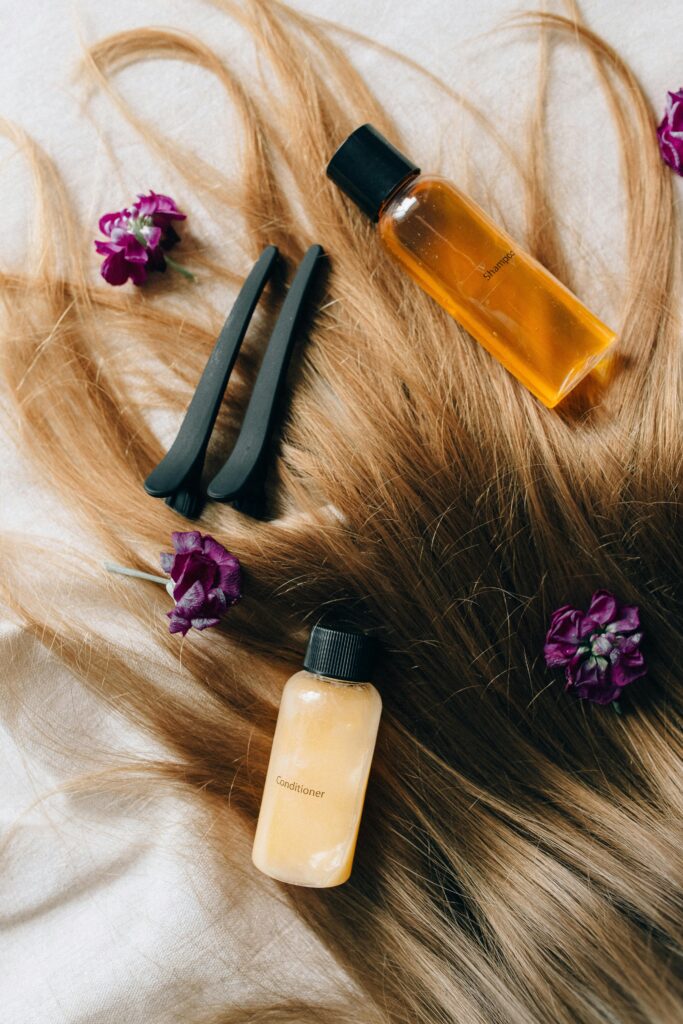
If you’ve admired the glossy, strong, and lustrous hair of Korean celebrities, you’re not alone. The Korean Haircare Routine is a well-loved secret that’s taking the beauty world by storm. Much like the famous Korean skincare regimen, the haircare routine focuses on hydration, nourishment, and gentle care, tailored to individual hair concerns.
In this guide, you’ll learn the complete Korean Haircare Routine, why each step matters, and how to adapt it to your own hair type—whether it’s dry, damaged, oily, or thinning. Let’s begin your journey toward healthier, shinier hair!
Why Follow a Korean Haircare Routine?
While Western haircare often relies on harsh shampoos, quick fixes, or heat tools, the Korean approach focuses on preventive care and long-term health. It’s about understanding your hair’s needs and addressing them gently over time.
Here are the core reasons this routine works:
- Emphasis on hydration over harsh cleansing
- Use of natural, scalp-friendly ingredients
- Step-by-step method that addresses both scalp and hair strand health
- Focus on strengthening and protecting the hair from environmental damage
1: Scalp Scaler – The Detox Start
Just as we exfoliate our face to remove dead skin, a scalp scaler helps eliminate product buildup, sebum, and pollutants from the scalp. This clears the way for other treatments to be more effective.
How to use:
Apply the scaler to your dry scalp before shampooing. Gently massage and leave it on for 5–10 minutes before rinsing.
Pro Tip:
Use it once a week to avoid over-exfoliating.
2: Shampoo – Go Sulfate-Free
Next, use a mild, sulfate-free shampoo that cleanses without stripping your scalp of its natural oils. In Korean haircare, shampoos are often infused with ginseng, green tea, or mugwort, which soothe the scalp and promote hair growth.
Why sulfate-free matters:
Sulfates can weaken the hair over time, causing breakage and frizz. Korean shampoos tend to be gentler, prioritizing scalp balance.
3: Scalp Massage – Boost Circulation
After shampooing, spend a few extra minutes massaging your scalp. This step isn’t just relaxing—it increases blood circulation, which supports healthier hair follicles.
Tools to try:
Use a silicone scalp brush or your fingertips in small circular motions.
4: Conditioner – Focus on Moisture
While shampoo targets the scalp, conditioner targets the strands. Korean conditioners often contain botanical oils, proteins, and ceramides to hydrate the hair shaft.
Application tip:
Apply from mid-length to ends, avoiding the scalp. Let it sit for 3–5 minutes, then rinse with cool water to seal the cuticle.

5: Hair Mask or Pack – Intensive Repair
At least once or twice a week, follow up with a deep conditioning hair mask. Korean hair packs are deeply nourishing and help repair damage caused by styling, dyeing, or pollution.
Best ingredients to look for:
- Camellia oil
- Argan oil
- Silk protein
- Honey extract
Transitioning from conditioner to mask gives your strands an extra moisture surge.
6: Vinegar Rinse – Shine Booster
This might sound surprising, but a vinegar rinse (like those infused with raspberry or apple cider) is a beloved Korean trick. It helps balance your scalp’s pH and enhances shine.
How to use:
Dilute 1–2 tablespoons of vinegar rinse in a cup of water. Pour it through your hair after conditioning, leave for 1–2 minutes, and rinse with cool water.
7: Tonic or Scalp Essence – Feed the Roots
This step is often overlooked in Western routines but is crucial in Korean haircare. A scalp tonic nourishes the follicles directly, promoting growth and reducing issues like dandruff or oil imbalance.
Application:
Spray or drop the tonic onto your scalp post-shower, then massage gently.
Why it works:
Just like a face serum penetrates deeper, a scalp essence feeds your hair at its source.
8: Leave-In Treatment – Lock in Moisture
Now it’s time to protect your hair as it dries. Leave-in conditioners or hair serums help reduce frizz, prevent heat damage, and lock in hydration.
Choose products based on your hair type:
- Oily hair: Lightweight serums or sprays
- Dry hair: Creamy leave-in conditioners
- Damaged hair: Keratin or silk protein treatments
9: Hair Oil – Seal and Shine
After your hair is about 70–80% dry, apply a few drops of hair oil to your ends. This step seals the cuticle, adds shine, and prevents split ends.
Top Korean hair oils:
- Mise-en-Scène Perfect Serum
- Innisfree Camellia Hair Oil Serum
- Etude House Silk Scarf Hair Oil
10: Overnight Care – Sleep Your Way to Better Hair
Korean haircare doesn’t stop at night. In fact, overnight masks or treatments offer extended nourishment. You can use a lightweight cream or hair wrap cap to let nutrients absorb while you sleep.
Bonus: Use a silk or satin pillowcase to reduce friction and hair breakage.
Customizing Your Routine Based on Hair Type
No two scalps are the same. While the 10 steps above form the foundation, here’s how you can adapt it:
For Oily Scalp:
- Use scalp scaler and tonic more often
- Avoid heavy conditioners near the roots
- Try tea tree or mint-infused products
And For Dry, Frizzy Hair:
- Increase use of hair masks and oils
- Opt for cream-based conditioners
- Avoid hot tools or protect with serum if needed
For Damaged/Color-Treated Hair:
- Focus on protein masks
- Avoid harsh shampoos
- Use overnight treatments frequently
How Often Should You Follow This Routine?
You don’t need to do all 10 steps every day. Here’s a simple weekly breakdown:
| Step | Frequency |
|---|---|
| Scalp Scaler | 1x/week |
| Shampoo | 2–3x/week |
| Conditioner | Every wash |
| Mask | 1–2x/week |
| Vinegar Rinse | 1x/week |
| Tonic/Essence | 3–4x/week |
| Leave-In & Oil | As needed |
| Overnight Care | 1–2x/week |
Best Korean Haircare routine Brands to Try
To get started with trusted products, consider these popular Korean brands:
- Ryo – Known for herbal shampoos
- Mise-en-Scène – Famous for their serums
- Innisfree – Great for natural ingredients
- Daeng Gi Meo Ri – Rich in traditional herbs
- Nature Republic – Affordable and effective options
Benefits You’ll Notice Over Time Using korean haircare routine
Consistently following this routine can lead to:
✔ Reduced hair fall
✔ Stronger, shinier strands
✔ A healthier scalp
✔ Less frizz and dryness
✔ Improved hair growth
Though results won’t be overnight, the difference becomes more apparent after a few weeks. Transitioning gradually also helps your scalp adjust to new products.
FAQs – Korean Haircare Routine
1. Is this routine suitable for curly or textured hair?
Yes! Just customize your masks and leave-ins to be curl-friendly and avoid heavy oils on the scalp.
2. Can men follow this haircare routine?
Absolutely. Hair health isn’t gender-specific, and this routine is excellent for preventing thinning and dandruff.
3. How long will it take to see results?
Most people notice shinier hair within 2–3 weeks, with reduced breakage and hair fall after 6–8 weeks.
4. Are Korean hair products safe for color-treated hair?
Yes, but always check the label. Most Korean brands cater to sensitive or treated hair types.
5. Can I simplify the routine?
Of course! Start with 3–4 steps (like shampoo, conditioner, tonic, and oil) and build up as needed.
Final Thoughts
Adopting a Korean Haircare Routine isn’t about chasing trends—it’s about embracing consistent, mindful care that supports long-term hair health. From scalp to tip, each step in the routine serves a purpose. Whether you’re battling dryness, oiliness, or breakage, this method offers a structured, holistic approach.
So, are you ready to give your hair the TLC it deserves? Start with what you have, try one new step each week, and build your way to gorgeous, glossy hair.
Don’t Forget!
📌 Save this blog for your haircare journey
💬 Comment your hair type for personalized tips
🔄 Share with a friend who needs a hair makeover!