 ucalorie
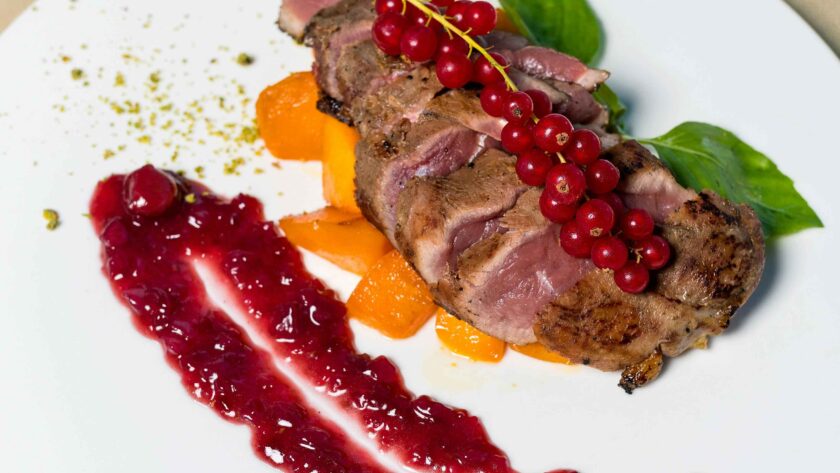
 French cuisine is renowned for its elegance, depth of flavor, and artistic presentation—and few dishes embody this more gracefully than the French Duck Breast. Known in France as Magret de Canard, this delicacy is celebrated for its tender, juicy meat and irresistibly crisp skin. Whether served in fine dining restaurants or cooked at home for a special occasion, French Duck Breast offers a luxurious culinary experience that balances richness with refined technique.
At the heart of this dish is the duck breast itself, often sourced from ducks raised for foie gras, which imparts a deeper flavor and tenderness. Traditionally, the French Duck Breast is seared skin-side down to render the fat slowly, achieving a golden, crackling crust while keeping the meat perfectly pink and moist inside. It’s commonly paired with a bright, tangy sauce—often orange-based—to cut through the richness and elevate the flavors to gourmet perfection.
Whether you’re looking to impress guests or simply treat yourself, preparing French Duck Breast is a rewarding adventure in classic French cooking. This recipe walks you through each step with care and precision, helping you master the art of pan-searing and sauce-making. By the end, you’ll have a restaurant-quality French Duck Breast dish on your plate—bursting with elegance and flavor.
Preparation Time to Make French Duck Breast
- Preparation Time: 15 minutes
- Cooking Time: 20–25 minutes
- Resting Time: 5 minutes
- Total Time: ~45 minutes
Ingredients for French Duck Breast
Main Ingredients:
- Duck Breasts – 2 large (skin-on, ~700g total) (~980 calories)
- Kosher Salt – 1 tsp (~0 calories)
- Freshly Ground Black Pepper – ½ tsp (~3 calories)
- Fresh Thyme or Rosemary – 2–3 sprigs (~1 calorie)
- Garlic – 2 cloves, crushed (~8 calories)
For the Sauce (Optional but Recommended):
- Red Wine – ½ cup (~100 calories)
- Chicken or Beef Stock – ½ cup (~15 calories)
- Shallot – 1 small, finely chopped (~7 calories)
- Butter – 1 tbsp (~100 calories)
- Honey or Balsamic Vinegar – 1 tbsp (~60 calories)
- Fresh or Frozen Berries (e.g., cherries or raspberries) – ¼ cup (~30 calories)
Optional Sides:
- Mashed Potatoes, Roasted Vegetables, or a Simple Salad
Why You’ll Love This Recipe
1. Crispy Skin, Juicy Interior
Unlike chicken, duck breast boasts a richer flavor and a fattier skin that crisps beautifully when rendered correctly. Not only does this add a delightful crunch, but it also seals in the meat’s natural juices, creating a tender interior.
2. Simple Yet Sophisticated
Although it may sound complicated, this French Duck Breast is easy to prepare with just a handful of ingredients and basic kitchen tools. Moreover, it’s a dish that looks impressive on the plate, making it ideal for special occasions.
3. Versatile Pairings
You can pair this duck breast with countless sauces—from sweet cherry or orange reductions to savory red wine glazes—allowing you to tailor the flavor to your preference.
Step-by-Step Instructions
1: Score and Season the Duck
Start by patting the duck breasts dry with paper towels. This ensures the skin crisps up properly during cooking.
Next, score the skin in a crosshatch pattern using a sharp knife, being careful not to cut into the meat. Doing so allows the fat to render out more efficiently and crisps the skin evenly.
Now, season both sides generously with kosher salt and black pepper. For added aroma, gently rub in fresh thyme or rosemary over the skin.
Tip: Let the seasoned duck rest at room temperature for 15 minutes before cooking. This promotes even cooking.
2: Render the Fat and Crisp the Skin
Place the duck breasts skin-side down in a cold, dry skillet—preferably cast iron. Then, turn the heat to medium.
As the pan heats, the fat will begin to render slowly. Allow the duck to cook skin-side down for 8–10 minutes until the skin is golden brown and crisp. Meanwhile, spoon off excess fat periodically and reserve it for other uses (like roasting vegetables).
Tip: Do not move the duck around; let it sit undisturbed to form a perfect crust.
3: Flip and Finish Cooking
Once the skin is crisped to your liking, flip the duck breasts and cook the flesh side for 4–5 minutes for medium-rare, or longer if you prefer more doneness.
After cooking, remove the duck from the pan and let it rest, loosely tented with foil, for about 5 minutes. Resting allows the juices to redistribute evenly, ensuring tender meat.
4: Prepare the Sauce (Optional)
While the duck rests, use the same pan to make your sauce.
First, drain most of the rendered fat, leaving about 1 tablespoon. Then, add chopped shallots and sauté until translucent.
Next, deglaze the pan with red wine and stock, scraping up any browned bits. Let the mixture simmer until reduced by half.
Add berries (if using), honey or balsamic vinegar, and a pinch of salt and pepper. Finally, whisk in a tablespoon of cold butter for a rich, velvety finish.
Tip: Strain the sauce for a smoother texture or leave it rustic with the fruit bits.
Serving Suggestions
Slice the duck breasts against the grain into medallions.
Arrange them over mashed potatoes or a bed of greens. Drizzle with your freshly made sauce and garnish with additional herbs for presentation.
Optional Add-ons: Roasted root vegetables, buttered green beans, or a potato gratin pair wonderfully with duck.
Calorie Breakdown (Estimated)
- Duck Breasts: ~980 calories
- Sauce Ingredients: ~312 calories
- Total Calories: ~1,292 calories
- Servings: 2
- Per Serving: ~646 calories
Tips for Success
1. Always Start with a Cold Pan
Starting in a cold pan gives the fat time to render slowly and crisply without burning the skin.
2. Score the Skin Gently
Avoid cutting too deep—scoring is meant to help render the fat, not slice into the meat.
3. Use Fresh Herbs and High-Quality Ingredients
Since this recipe uses few components, each one should shine. Fresh thyme, good wine, and ripe berries will elevate your results.
4. Don’t Skip the Resting Period
Resting the meat is essential to lock in moisture. Cutting too early causes flavorful juices to spill out.
FAQs
Can I use frozen duck breasts?
Yes, but make sure they are fully thawed and dried before cooking to achieve crisp skin.
What if I don’t have a cast iron pan?
A heavy-bottomed stainless steel pan works too. Avoid nonstick pans for this recipe.
Can I cook duck well-done?
Although duck is traditionally served medium-rare, you can cook it longer. Just be aware it may become less tender.
What’s the best wine to use in the sauce?
Use a dry red wine such as Pinot Noir, Merlot, or Cabernet Sauvignon for depth and richness.
Can I store leftovers?
Yes, store in an airtight container in the fridge for up to 3 days. Reheat gently in a pan to retain moisture.
Why This Recipe Works
French Culinary Tradition
Duck breast is a hallmark of French cooking—both luxurious and rooted in heritage. By preparing it with care, you bring a bit of that tradition into your own kitchen.
Balance of Flavor and Texture
The crispy skin provides crunch while the meat remains rich and juicy. The fruit or wine-based sauce offers just the right acidity to balance the fattiness.
Effort Meets Elegance
With only a few basic steps, you get restaurant-quality results that are both visually stunning and deeply satisfying.