


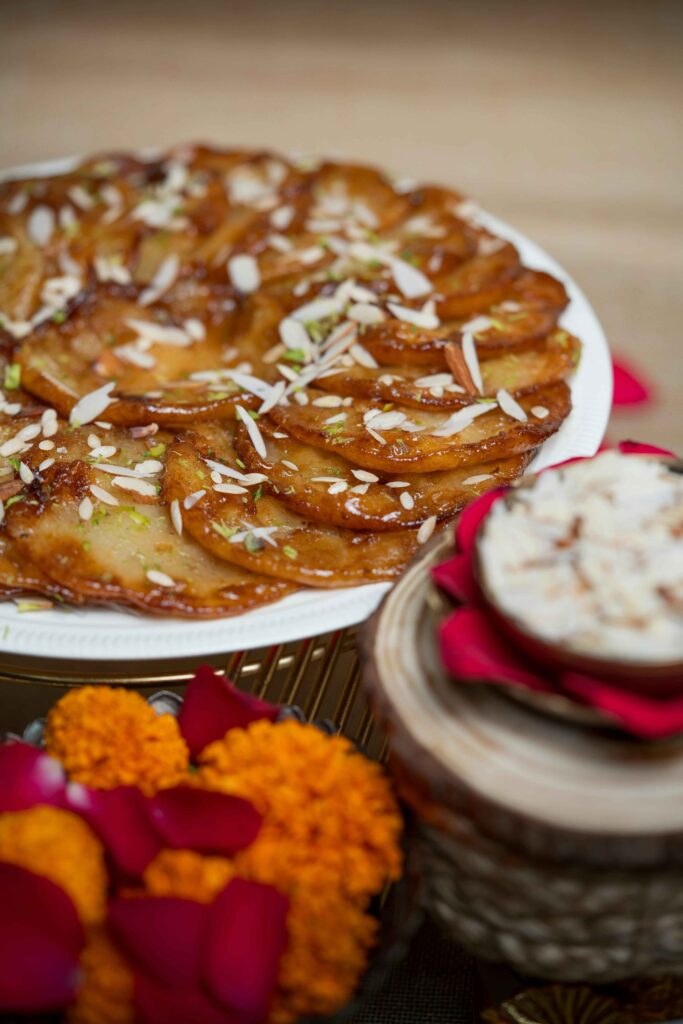
If you’re craving a sweet, rustic treat that transports you straight to the heart of Bihar, this Bihari Pua Recipe is the perfect indulgence. Often prepared during traditional festivals like Holi, Teej, or family celebrations, Pua is a fried delight made from wheat flour, jaggery, and fragrant spices. With its soft, spongy center and slightly crisp edges, this dish strikes the perfect balance between dessert and snack. Whether served as prasad during pujas or enjoyed as a tea-time treat, this Bihari Pua Recipe holds a timeless charm that resonates with every generation.
There’s something undeniably nostalgic about the warm aroma that fills your kitchen while preparing this Bihari Pua Recipe. The subtle sweetness of jaggery, the comforting essence of cardamom, and the satisfying texture of the golden-brown puas evoke memories of home, tradition, and love. Much like pancakes but deeper in flavor and character, these puas are not just a dish — they’re a piece of cultural heritage served on a plate. Simple yet indulgent, this sweet snack has the power to bring a smile to anyone’s face, making it an irresistible favorite.
Even better, this Bihari Pua Recipe is incredibly easy to make using staple pantry ingredients. With just a few steps, you can create a batch of these heavenly bites that are sure to be devoured in no time. Whether you’re hosting guests, marking a festival, or simply looking to add a sweet finish to your meal, these puas make for a delightful, fuss-free option. So roll up your sleeves and bring a little Bihari magic to your table — you won’t regret it!
Preparation Time to Make Bihari Pua Recipe
- Preparation Time: 15 minutes
- Resting Time: 20–30 minutes
- Cooking Time: 20 minutes
- Total Time: ~1 hour
Ingredients for Bihari Pua Recipe
Main Ingredients:
- Whole Wheat Flour – 1 cup (~408 calories)
- Jaggery (grated or powdered) – ¾ cup (~300 calories)
- Ripe Banana – 1 medium (~105 calories)
- Fennel Seeds (saunf) – 1 tsp (~7 calories)
- Green Cardamom Powder – ½ tsp (~3 calories)
- Milk – ½ cup (~52 calories)
- Ghee or Oil – for deep frying (~300 calories for absorbed amount)
Optional Add-ins:
- Grated Coconut – 2 tbsp (~55 calories)
- Chopped Nuts (cashew/almond) – 2 tbsp (~100 calories)
- Raisins – 1 tbsp (~30 calories)
Instructions: How to Make Bihari Pua
1️⃣ Prepare the Jaggery Mixture
Start by warming the milk gently in a saucepan — it should be lukewarm, not boiling. Then add the grated or powdered jaggery and stir until it completely dissolves.
Tip: If your jaggery has impurities, strain the mixture through a sieve to ensure a smooth batter later.
Let the jaggery milk cool slightly while you prepare the other ingredients. This sweetened milk will not only add flavor but also enhance the texture of your puas.
2️⃣ Mash the Banana and Mix the Base
In a large mixing bowl, mash the ripe banana until smooth and lump-free. Add the cooled jaggery milk to it and whisk the mixture well to form a uniform base.
Now gradually add the whole wheat flour, stirring continuously to prevent lumps. Once all the flour is incorporated, you should have a thick, pourable batter.
Tip: If the batter feels too thick, add 1–2 tablespoons of more milk or water. The consistency should be similar to pancake batter — thick but flowing.
3️⃣ Flavor It Right
Next, sprinkle in the fennel seeds and cardamom powder. These two ingredients bring out the authentic Bihari essence in your puas.
If you’re feeling festive or want to add more richness, stir in grated coconut, chopped nuts, or a handful of raisins at this stage. They provide a pleasant crunch and depth of flavor.
Tip: Lightly roast the coconut or nuts for added aroma before adding them to the batter.
4️⃣ Rest the Batter
Cover the bowl and let the batter rest for at least 20–30 minutes. This resting time allows the flavors to meld and the wheat flour to hydrate properly, resulting in softer, puffier puas.
Tip: You can rest the batter for up to an hour at room temperature. If it sits longer, refrigerate it to avoid fermentation.
5️⃣ Heat the Oil or Ghee
In a deep frying pan or kadhai, heat ghee or oil over medium heat. Once hot, reduce the flame slightly — too high a temperature may brown the outside too quickly while leaving the inside uncooked.
Tip: To test if the oil is ready, drop a small amount of batter into it. If it rises and sizzles immediately, you’re good to go.
Using a ladle, gently pour a scoop of batter into the hot oil. The batter will naturally spread and puff up. Fry only 2–3 puas at a time to avoid overcrowding.
6️⃣ Fry to Perfection
Let each pua cook undisturbed for about 1–2 minutes. Once the edges firm up and turn golden, flip it gently using a slotted spoon.
Continue frying until both sides are golden brown and cooked through. Remove and drain on paper towels to absorb excess oil.
Tip: Keep the flame on medium-low to ensure even cooking. High heat may cause the center to remain raw.
Repeat the process for the remaining batter, stirring occasionally to keep the ingredients evenly distributed.
7️⃣ Serve and Relish
Serve your warm, golden-brown Bihari Pua with a cup of chai or as part of a festive meal. They taste best fresh but can also be stored in an airtight container for 1–2 days.
For an indulgent twist, drizzle some ghee on top or serve with rabri, kheer, or malai for a traditional feast.
Calorie Breakdown (Estimated)
- Whole Wheat Flour – ~408 calories
- Jaggery – ~300 calories
- Banana – ~105 calories
- Milk – ~52 calories
- Ghee (absorbed) – ~300 calories
- Spices and Add-ins – ~60 calories
- Total Calories: ~1,225 calories
- Per Serving (serves 6): ~204 calories
Why This Recipe Works
1. Time-Tested Tradition
This recipe has been passed down for generations in Bihari households, making it a true taste of home.
2. Easy to Make
With basic ingredients and simple steps, anyone — beginner or pro — can make these puas with ease.
3. Customizable Sweetness
Adjust the jaggery quantity to suit your preference for sweetness without losing authenticity.
4. Perfect Texture
The resting period and banana add moisture, making puas soft on the inside and lightly crisp outside.
5. Wholesome Ingredients
Using whole wheat flour and jaggery instead of maida and sugar makes it more nutritious and earthy.
FAQs
Can I make pua without banana?
Yes, you can skip the banana, though it adds softness and flavor. Without it, your puas may be a bit denser.
Can I use sugar instead of jaggery?
Jaggery provides a deep, caramel-like sweetness. While sugar works in a pinch, it won’t replicate the traditional taste.
Can I bake instead of frying?
Though traditionally deep-fried, you can try making these in an appe pan with a few drops of ghee in each cavity. Baking may dry them out too much.
How long can I store pua?
Store cooled puas in an airtight container for up to 2 days. Reheat slightly before serving for best texture.
Are these served hot or cold?
They taste best warm, but they’re also delicious at room temperature, making them perfect for prasad or tiffin.
Can I use all-purpose flour instead?
Yes, but wheat flour offers a more rustic, earthy taste that aligns with traditional Bihari recipes.
What Makes This Recipe Special?
1. Rooted in Festive Traditions
Pua is a beloved part of Bihari festive culture — no Holi or Teej celebration is complete without it.
2. Authentic, Yet Adaptable
While the core ingredients remain classic, the recipe is flexible enough to include nuts, coconut, or even a hint of saffron.
3. Perfect for Any Time
Enjoy it as a dessert, tea-time snack, or even for breakfast with a side of milk — it’s incredibly versatile.
4. Naturally Sweet and Nutritious
The use of jaggery and banana not only sweetens naturally but also boosts nutrition.
5. A Taste of Home
Every bite of this Bihari Pua brings back memories of home, tradition, and the warmth of shared meals.