


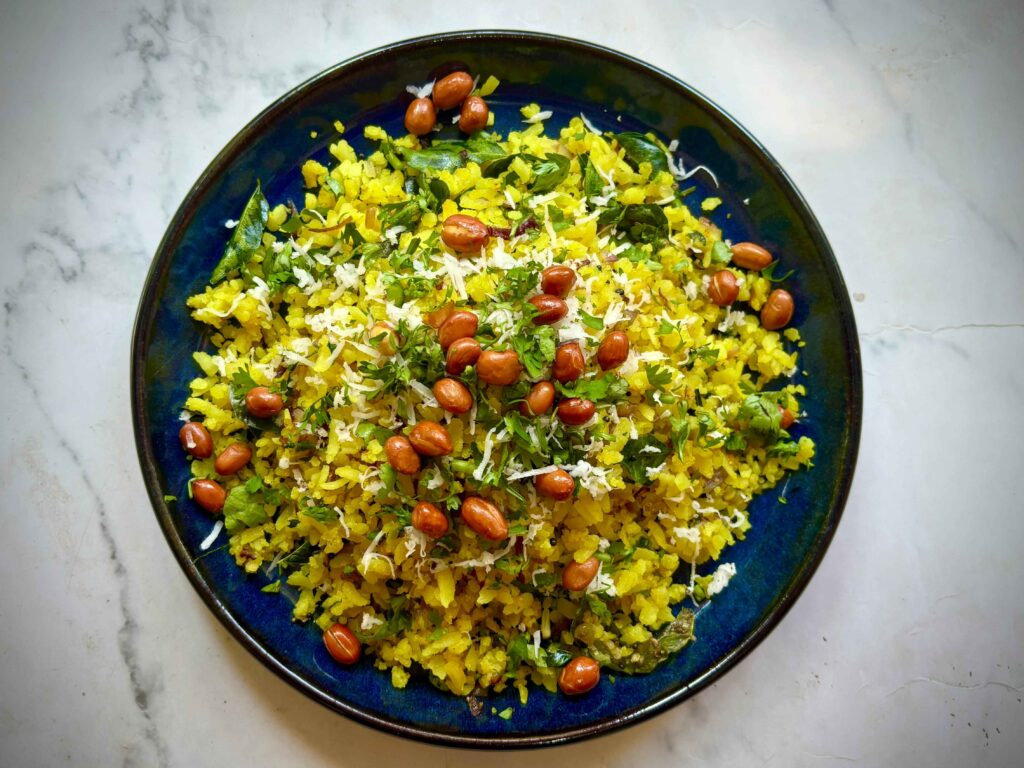
If you’re craving something warm, comforting, and bursting with subtle spice and crunch, this Best Homemade Poha Recipe is about to become your breakfast (or brunch) favorite. Made with flattened rice, aromatic tempering, crisp peanuts, and vibrant veggies, this traditional Indian dish is light on the stomach but big on flavor. Whether you enjoy it with a cup of chai in the morning or as a mid-day snack, Poha delivers simplicity and satisfaction in every bite.
Not only is Poha Recipe easy to prepare, but it’s also incredibly forgiving and adaptable. Using staple pantry ingredients like flattened rice, mustard seeds, curry leaves, and turmeric, the dish comes together in just minutes. Even better, you can tailor it with seasonal vegetables or protein additions, making it a wholesome choice for any day of the week.
What sets this Best Homemade Poha Recipe apart is its perfect balance—soft, fluffy rice contrasted with the crunch of roasted peanuts and the zing of green chilies and lemon juice. The flavors are mild yet memorable, making it ideal for everyone from spice lovers to those who prefer a more delicate heat. With every mouthful, you’ll experience a harmony of texture and taste that feels both traditional and refreshing.
Whether you’re preparing a cozy Indian breakfast spread, putting together a simple lunch, or just seeking a nutritious comfort dish, this Best Homemade Poha Recipe is sure to check all the right boxes.
Preparation Time to make this Best Homemade Poha Recipe
- Preparation Time: 10 minutes
- Cooking Time: 15 minutes
- Total Time: ~25 minutes
Ingredients for Homemade Poha Recipe
Main Ingredients:
- Flattened Rice (Poha) – 2 cups, medium-thick (~440 calories)
- Onion – 1 large, finely chopped (~45 calories)
- Green Chilies – 2, finely chopped (~6 calories)
- Potatoes – 1 medium, peeled and diced (~110 calories)
- Mustard Seeds – 1 tsp (~15 calories)
- Curry Leaves – 10–12 leaves (~2 calories)
- Turmeric Powder – ½ tsp (~4 calories)
- Salt – to taste
- Sugar – ½ tsp (optional; ~8 calories)
- Lemon Juice – 1 tbsp (~4 calories)
- Fresh Coriander Leaves – 2 tbsp, chopped (~1 calorie)
- Oil – 2 tbsp (~240 calories)
- Roasted Peanuts – ¼ cup (~200 calories)
- Hing (Asafoetida) – a pinch (~1 calorie)
Optional Add-ins:
- Grated Carrot – ¼ cup (~10 calories)
- Green Peas – ¼ cup (~30 calories)
- Grated Coconut – 1 tbsp (~35 calories)
- Pomegranate Seeds – for garnish (~40 calories)
Instructions: How to Make Poha
1: Rinse and Soften the Poha
To begin, measure out the flattened rice into a colander or sieve.
- Rinse it gently under running water for about 10–15 seconds.
- While rinsing, lightly fluff it with your fingers to ensure even soaking.
- Drain out excess water completely and let it rest for 10 minutes. It should become soft but retain its structure—not mushy.
Tip: Add a pinch of salt and sugar directly to the soaked poha for uniform seasoning later.
2: Prep Your Vegetables and Ingredients
While the poha rests, use this time efficiently to chop and organize the rest of your ingredients.
- Finely chop the onions, green chilies, and coriander.
- Dice the potato into small cubes for quicker cooking.
- If using carrots or peas, prepare them as well.
- Juice the lemon and keep it aside.
Tip: Mise en place (prepping everything beforehand) helps streamline the cooking process and prevents overcooking.
3: Temper the Spices
Heat a heavy-bottomed kadhai or nonstick pan over medium flame.
- Add the oil and let it warm for a few seconds.
- Once hot, toss in mustard seeds and wait for them to splutter.
- Immediately follow with curry leaves, green chilies, and a pinch of hing.
- Sauté for 10–15 seconds until fragrant.
Tip: Keep your face at a safe distance, as curry leaves can splatter in hot oil.
4: Sauté the Onions and Potatoes
Next, add the chopped onions to the pan.
- Sauté until they turn translucent and soft.
- Then, add the diced potatoes and cook covered for 6–7 minutes until they are fork-tender.
Optional: If you’re including peas or carrots, add them alongside the potatoes to cook evenly.
Tip: Add a splash of water and cover the pan if the potatoes are sticking to the bottom.
5: Add Turmeric and Roasted Peanuts
Once the vegetables are cooked:
- Sprinkle in the turmeric powder and stir well.
- Toss in the roasted peanuts and cook for another minute to blend flavors.
Note: The turmeric not only imparts a golden hue but also adds earthy undertones that define Poha’s character.
6: Mix in the Soaked Poha
It’s time to bring it all together.
- Add the softened poha into the pan.
- Gently mix everything using a flat spatula, taking care not to break the rice flakes.
- Stir for 2–3 minutes until the poha is warmed through and uniformly colored.
Taste and adjust salt or sugar as needed.
Tip: Avoid overmixing to maintain the poha’s fluffy texture.
7: Finish with Lemon and Fresh Coriander
Turn off the heat and immediately:
- Squeeze in the fresh lemon juice.
- Garnish with chopped coriander and, optionally, grated coconut or pomegranate seeds.
Mix gently one last time before serving.
8: Serve Hot and Fresh
Poha is best served immediately, while warm and fragrant.
- Pair it with a cup of masala chai or yogurt.
- Optionally, serve with papad, sev, or spicy chutney for a crunchy contrast.
Tip: For special occasions, top with a sprinkle of chaat masala or serve in a banana leaf for authenticity.


Calorie Breakdown (Estimated)
- Flattened Rice: ~440 calories
- Vegetables (onion, potato, optional peas, carrots): ~180 calories
- Oil: ~240 calories
- Peanuts: ~200 calories
- Spices, Herbs, and Lemon: ~30 calories
- Optional Garnishes (pomegranate, coconut): ~50 calories
- Total Calories: ~1140 calories
- Servings: 4 bowls
- Per Serving: ~285 calories
Why This Recipe Works
1. Perfectly Balanced Textures
From the light, fluffy poha to the crispy peanuts and soft potatoes, each bite offers delightful contrast.
2. Customizable to Taste
Whether you like it sweet and tangy, mildly spicy, or loaded with veggies, this recipe bends to your preference.
3. Quick and Efficient
You can make a hearty batch in under 30 minutes with just basic kitchen tools—no elaborate techniques needed.
4. Budget-Friendly and Nutritious
Using minimal oil, pantry staples, and seasonal vegetables, this dish is economical yet full of nutrients.
5. Authentically Indian, Universally Loved
Though rooted in Indian tradition, Poha’s comfort and adaptability make it loved by people across cultures.
FAQs
Can I make Poha ahead of time?
Yes, but it’s best enjoyed fresh. If needed, store in an airtight container and reheat with a splash of water in a pan.
Can I skip peanuts?
Of course! Replace them with roasted cashews or leave them out entirely if you’re allergic.
What kind of poha should I use?
Medium-thick poha works best for this recipe. Thin poha gets soggy and thick poha needs more soaking time.
How can I make it more protein-rich?
Add boiled chickpeas, tofu cubes, or paneer bits for an extra protein punch.
Is this dish vegan?
Yes, this Poha recipe is completely plant-based and vegan.
Can I use ghee instead of oil?
Certainly! Ghee adds a richer flavor but slightly increases calories.
What other toppings can I try?
Try adding fried curry leaves, sev (crunchy gram flour noodles), or a spoonful of green chutney on top.
How do I make it spicier?
Simply increase the number of green chilies or add a dash of red chili powder during sautéing.
Is sugar necessary in Poha?
No, it’s optional. Some regional variations, like Maharashtrian Kanda Poha, include sugar for contrast.
What Makes This Recipe Special?
Tradition Meets Versatility
While rooted in Indian culture, Poha evolves beautifully with each twist you give it—be it urban brunch, kids’ lunchbox, or a detox meal.
One-Pan Wonder
Everything comes together in a single pan—less cleanup, more flavor infusion, and faster results.
Naturally Wholesome
With no preservatives, artificial flavors, or heavy processing, Poha remains a clean-eating classic.
Vibrant in Appearance and Flavor
The sunny hue of turmeric, the green flecks of coriander, and the ruby red of pomegranate make it visually inviting and incredibly appetizing.
A Staple You’ll Return To
Whether you live alone or cook for a family, Poha is one recipe that quickly becomes a comfort go-to in every household.