 ucalorie
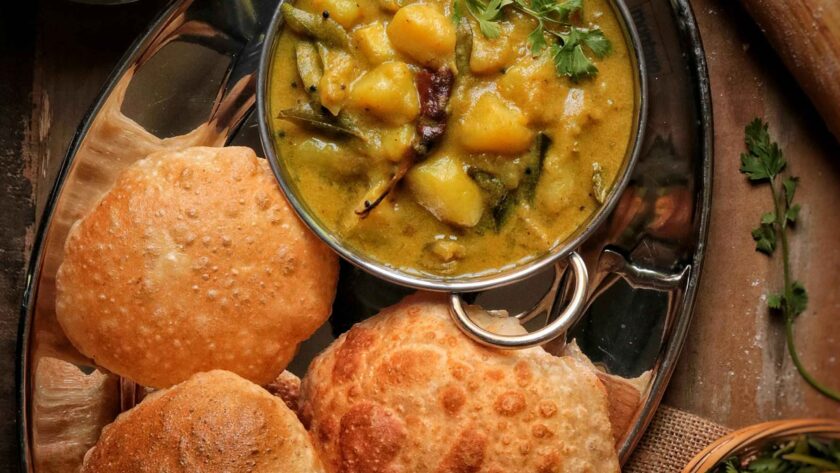
 If you’re craving a warm, comforting curry that brings the soul-soothing flavors of North Indian kitchens to your table, this Aloo ki Sabzi recipe will absolutely steal your heart. Bursting with the hearty goodness of potatoes and enveloped in a rich, spiced gravy, this dish is both simple and satisfying. Whether served with fluffy puris, crispy parathas, or plain rice, Aloo ki Sabzi makes every meal feel special, turning ordinary days into cherished food memories.
Unlike complex curries that require hours of preparation, this Aloo ki Sabzi focuses on pantry staples and timeless techniques. The natural starchiness of potatoes thickens the gravy beautifully, while the combination of cumin, turmeric, and other everyday spices creates a flavor profile that’s both bold and balanced. It’s a dish that tastes like home — comforting, warm, and made with love.
What makes this Aloo ki Sabzi truly special is its versatility. You can make it dry or with gravy, spicy or mild, rustic or refined — yet it always delivers on taste. It’s perfect for festive breakfasts, quick lunches, or a hearty dinner after a long day. So if you’re looking for a reliable, delicious Indian curry that never fails to impress, this Aloo ki Sabzi deserves a permanent place in your recipe collection.
Preparation Time to Make Aloo ki Sabzi
- Preparation Time: 10 minutes
- Cooking Time: 25 minutes
- Total Time: ~35 minutes
Ingredients for Aloo ki Sabzi
Main Ingredients:
- Potatoes (Aloo) – 4 medium, boiled and peeled (~440 calories)
- Tomatoes – 2 medium, finely chopped (~44 calories)
- Green Chilies – 2, slit (~10 calories)
- Ginger – 1-inch piece, grated (~5 calories)
- Cumin Seeds – 1 tsp (~8 calories)
- Mustard Seeds (optional) – ½ tsp (~5 calories)
- Turmeric Powder – ½ tsp (~4 calories)
- Red Chili Powder – 1 tsp (~6 calories)
- Coriander Powder – 1½ tsp (~8 calories)
- Garam Masala – ½ tsp (~6 calories)
- Asafoetida (Hing) – a pinch (~0 calories)
- Salt – to taste (~0 calories)
- Water – 1 to 1½ cups (~0 calories)
- Oil or Ghee – 2 tbsp (~240 calories)
- Fresh Coriander Leaves – for garnishing (~1 calorie)
Optional Add-ins:
- Kasuri Methi (Dry Fenugreek Leaves) – ½ tsp (~3 calories)
- Lemon Juice – 1 tsp (~2 calories)
- Curry Leaves – a few (~1 calorie)
Instructions: How to Make Aloo ki Sabzi
1: Prepare the Base
To begin with, heat 2 tablespoons of oil or ghee in a heavy-bottomed kadhai or pan over medium heat. Once the oil is hot, add cumin seeds and let them sizzle. If you’re using mustard seeds or curry leaves, add them now for an extra burst of flavor. As the seeds begin to pop, sprinkle in a pinch of asafoetida, followed by grated ginger and green chilies.
Stir for about 30 seconds until the raw aroma fades. This tempered mixture forms the foundation of flavor for your sabzi, so don’t rush this step.
Tip: For an even deeper flavor, you can sauté some finely chopped onions before adding the tomatoes, although many traditional versions skip onions altogether.
2: Cook the Tomatoes and Spices
Next, add the finely chopped tomatoes to the pan. Stir well and allow them to soften for 4–5 minutes. You’ll notice the oil separating from the edges — this is a sign that the tomatoes are cooked through.
Now, it’s time to add the dry spices. Sprinkle in turmeric powder, red chili powder, coriander powder, and salt. Mix everything thoroughly and let the masala cook for another 2–3 minutes. If the mixture looks too dry, add a splash of water to prevent burning.
Tip: For extra depth, crush the kasuri methi between your palms and add it to the masala at this stage.
3: Add the Potatoes
Once your masala is rich and aromatic, crumble in the boiled potatoes. Some chunks can be left slightly bigger for texture, while others can be mashed to help thicken the curry naturally. Mix the potatoes well with the masala, ensuring each piece is coated.
Add 1 to 1½ cups of water depending on your desired consistency — more for a soupy curry (perfect for puri) and less for a dry version (ideal with paratha or poori). Stir to combine and bring it to a gentle boil.
Tip: If you’re making this in advance, keep the curry slightly thinner as it thickens on resting.
4: Simmer to Perfection
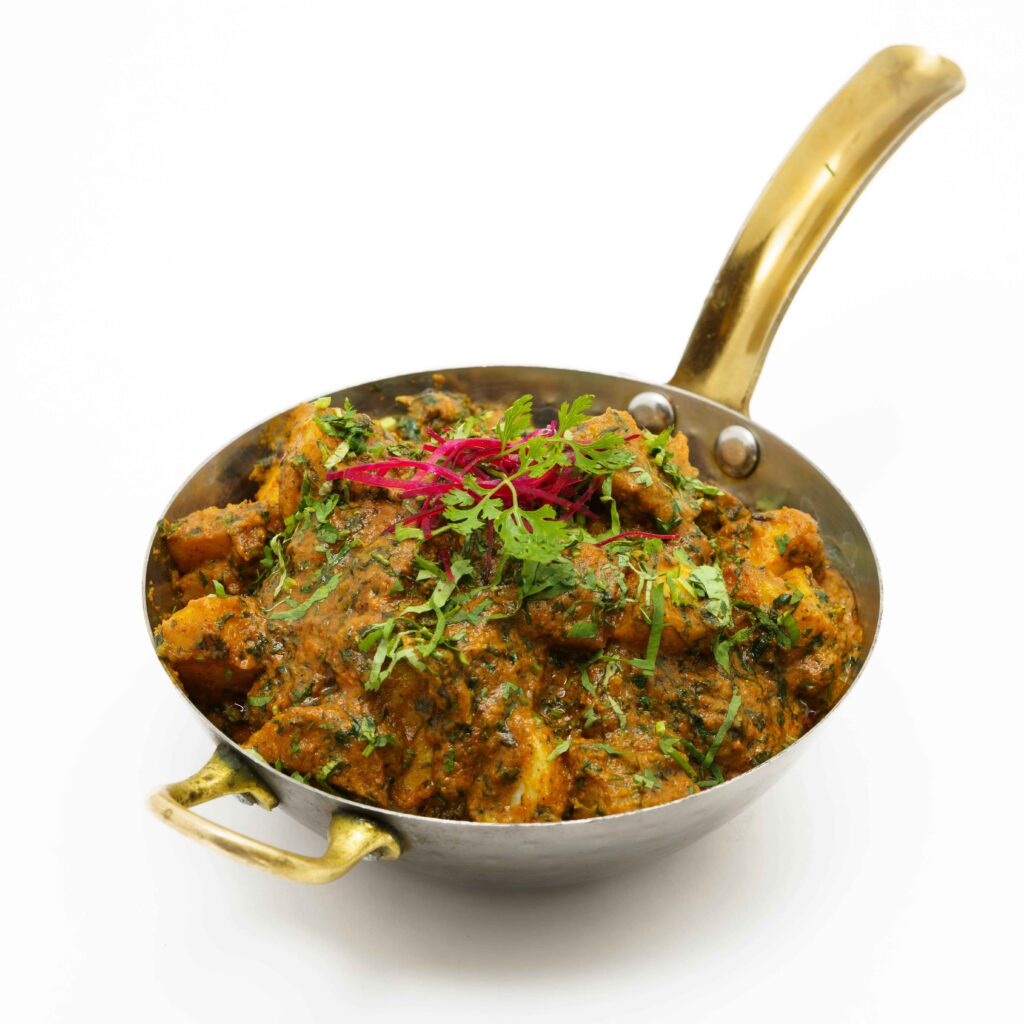
Now, cover the pan with a lid and let the sabzi simmer on low heat for 8–10 minutes. This allows the flavors to meld together beautifully. Stir occasionally to prevent sticking. Once the gravy reaches your preferred thickness, finish with garam masala and lemon juice.
Garnish with fresh coriander leaves for a final burst of freshness and color.
Calorie Breakdown (Estimated)
- Potatoes (4 medium) – ~440 calories
- Oil or Ghee (2 tbsp) – ~240 calories
- Tomatoes, Spices, and Herbs – ~90 calories
- Total Calories – ~770 calories
- Per Serving (Serves 4): ~193 calories
Why This Recipe Works
1. Familiar Ingredients, Universal Appeal
This Aloo ki Sabzi uses ingredients you already have in your pantry — making it not just accessible but also a true comfort food. Whether you’re cooking for elders, kids, or guests, it’s a universally loved dish.
2. Customizable Consistency
Unlike many rigid recipes, this one allows for flexibility. Want a thick, clingy sabzi for parathas? Reduce the water. Prefer a runny version for soaking up with puris? Add a bit more water and simmer accordingly.
3. Balanced Spices, Big Flavors
The synergy between simple spices — cumin, coriander, turmeric — and the richness of the potatoes creates a balance that is deeply flavorful without being overwhelming. Optional additions like kasuri methi or lemon juice can further elevate the taste.
4. Quick and Efficient
With a total cook time of under 40 minutes, this Aloo ki Sabzi is perfect for busy weekdays yet special enough for a festive brunch. You can even boil the potatoes in advance to speed up prep time.
5. Perfectly Pairable
From pooris and parathas to rice and khichdi, this dish pairs well with practically anything. It’s also a great addition to festive thalis and lunchbox meals.
FAQs
Can I use raw potatoes instead of boiled ones?
Yes, but you’ll need to cook them longer. Sauté the diced raw potatoes after tempering and cook until slightly golden before adding the tomatoes and water. Boiled potatoes, however, save time.
How do I make the sabzi spicier?
You can increase the quantity of green chilies or red chili powder. Alternatively, add a bit of black pepper or crushed chili flakes while simmering.
Can I add other vegetables to this?
Absolutely! Try adding peas, cauliflower, or capsicum for a more wholesome variation. Just ensure all veggies are evenly cooked.
Is Aloo ki Sabzi suitable for fasting (vrat)?
Yes, with a few tweaks. Skip mustard seeds, use sendha namak (rock salt), and cook in ghee without turmeric. Pair it with kuttu poori or sama rice.
Can I make it ahead of time?
Definitely. It stores well in the fridge for up to 2 days. Just reheat with a splash of water and simmer before serving.
What’s the best oil to use for this sabzi?
Traditionally, mustard oil or desi ghee brings out the best flavors. However, neutral oils like sunflower or groundnut also work.
Why does my sabzi taste bland?
Check your salt and spice ratios. Sometimes, potatoes absorb a lot of salt, so you may need to adjust once it’s cooked.
How do I thicken the gravy naturally?
Mash 2–3 potato pieces into the curry while simmering. This adds a natural thickness without the need for cream or flour.
What Makes This Recipe Special?
A Homestyle Classic
There’s something incredibly heartwarming about a bowl of freshly made Aloo ki Sabzi. It’s the kind of dish you grow up with, remember fondly, and turn to when you need a little comfort on your plate.
Economical and Efficient
With just a few basic ingredients and a handful of spices, this dish delivers rich flavors and full satisfaction without stretching your grocery list or your time.
A Favorite Across Ages
From toddlers who love soft potatoes to elders who prefer gentle spices, this dish caters to all age groups. It’s also ideal for tiffins, train journeys, or religious offerings.
A Blank Canvas
Once you master the base recipe, you can twist it any way you like — add spinach, tofu, paneer, or even coconut milk for a South Indian-style version.