 ucalorie
 Quinoa is often called a super grain—but did you know it’s actually a seed? Naturally gluten-free and rich in nutrients, quinoa has become a staple in many health-conscious kitchens around the world. Whether you’re following a plant-based diet or simply aiming to make healthier choices, understanding the quinoa health benefits can help you optimize your diet.
In this blog, we’ll explore five powerful quinoa health benefits that can make a big difference in your overall well-being. From promoting heart health to aiding weight loss, quinoa has much more to offer than meets the eye. So, let’s dive right in and discover why this ancient seed deserves a regular spot on your plate.
1. Complete Protein Source
Why Quinoa Is a Protein Powerhouse
One of the most remarkable quinoa health benefits is that it’s a complete protein. This means it contains all nine essential amino acids your body cannot produce on its own. While many plant-based foods fall short in this area, quinoa delivers high-quality protein that supports muscle repair, growth, and overall health.
Additionally, for vegans and vegetarians who often struggle to meet their protein requirements, quinoa is a natural solution. Just one cup of cooked quinoa provides around 8 grams of protein, making it ideal for meatless meals or post-workout fuel.
Additional Protein Perks
- Helps build and repair tissues
- Supports hormone and enzyme production
- Enhances satiety and reduces cravings
- Ideal for those on high-protein diets
Given its protein profile, quinoa works well in bowls, salads, or even as a rice substitute in stir-fries. Including it regularly ensures that your body gets the amino acids it needs, naturally.
2. Supports Weight Management
A Smart Carb for Slimming Down
Unlike many refined carbs, quinoa is high in fiber and protein, two nutrients known for increasing satiety. Fiber slows down digestion and stabilizes blood sugar levels, while protein helps control appetite by regulating hunger hormones like ghrelin and leptin.
Moreover, quinoa has a low glycemic index, which means it won’t spike your blood sugar like white rice or bread. This steady energy release helps you feel fuller longer and prevents unnecessary snacking throughout the day.
How It Helps Your Weight Goals
- Reduces appetite naturally
- Improves metabolism with protein
- Lowers visceral fat with fiber
- Keeps you full with fewer calories
Incorporating quinoa into meals is simple. You can replace high-calorie, low-fiber grains with quinoa to reduce overall calorie intake while still enjoying a satisfying meal.
3. Promotes Heart Health
Heart-Loving Nutrients in Quinoa
When it comes to cardiovascular well-being, few grains compare to quinoa. It’s rich in magnesium, potassium, and antioxidants, all of which are essential for maintaining a healthy heart. Potassium helps regulate blood pressure, while magnesium relaxes blood vessels and improves circulation.
In addition, quinoa’s high fiber content helps lower LDL (bad) cholesterol levels. Regular intake can contribute to a healthier lipid profile, reducing your risk of heart disease and stroke.
How Quinoa Benefits the Heart
- Reduces blood pressure
- Lowers bad cholesterol
- Boosts circulation and oxygen flow
- Minimizes inflammation with antioxidants
Including quinoa in your weekly meal plan can have a lasting impact on your heart. It’s especially beneficial for those with high blood pressure, cholesterol issues, or a family history of heart disease.
4. Rich in Antioxidants
Quinoa’s Free Radical Fighters
Antioxidants are compounds that protect your cells from oxidative stress caused by free radicals. If left unchecked, oxidative stress contributes to aging, inflammation, and chronic diseases such as cancer and diabetes.
Quinoa is packed with quercetin and kaempferol, two potent flavonoids that have strong anti-inflammatory and antioxidant effects. Studies show that these compounds may reduce the risk of various diseases and support overall immunity.
Why Antioxidants Matter
- Fights signs of aging
- Protects cells from damage
- Strengthens your immune system
- Reduces the risk of chronic disease
Notably, cooking quinoa doesn’t significantly reduce its antioxidant content, making it a reliable daily option. Whether served warm or cold, it remains a nutrient-dense choice.
5. Aids Digestive Health
Fiber’s Role in Gut Wellness
If you’re looking to improve your digestion, quinoa is an excellent ally. With approximately 5 grams of fiber per cup, quinoa supports regular bowel movements, relieves constipation, and feeds healthy gut bacteria.
Moreover, the fiber in quinoa is a mix of soluble and insoluble types. Soluble fiber helps soften stools and lower blood sugar, while insoluble fiber adds bulk and promotes regularity. Together, they support a balanced gut microbiome, which is essential for digestion and immunity.
Digestive Health Benefits
- Supports regular bowel movements
- Reduces bloating and discomfort
- Nourishes good gut bacteria
- Prevents digestive disorders
Including quinoa in your diet can enhance nutrient absorption and gut efficiency. Especially if you’ve been dealing with sluggish digestion, adding quinoa may offer a natural, food-based solution.
Quinoa vs Other Grains
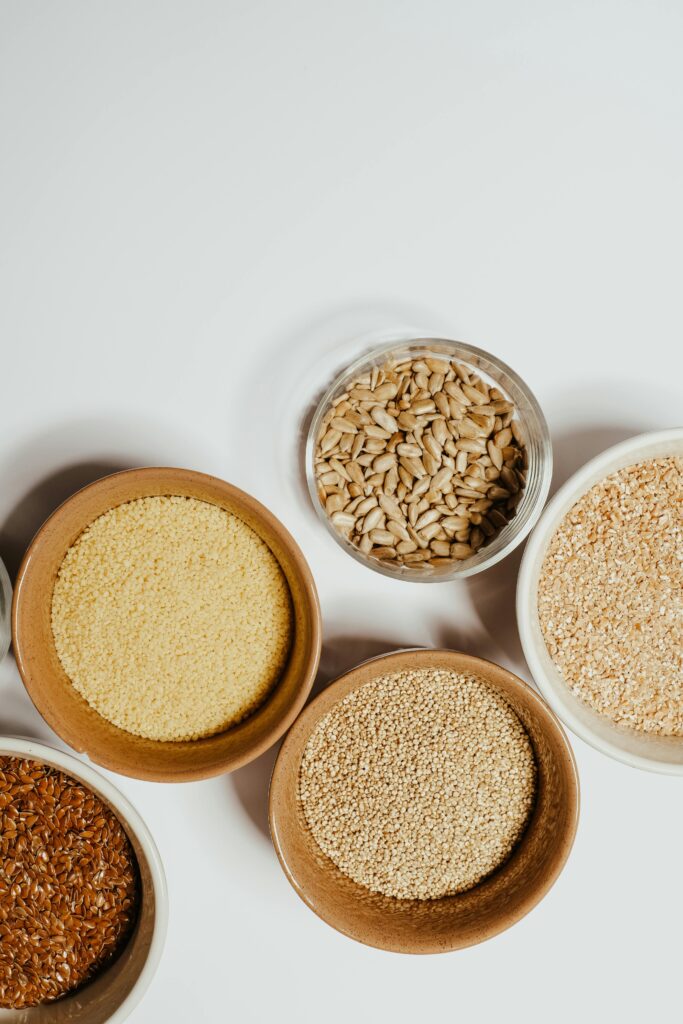
| Nutrient (per 1 cup cooked) | Quinoa | Brown Rice | Couscous |
|---|---|---|---|
| Calories | 222 | 216 | 176 |
| Protein | 8g | 5g | 6g |
| Fiber | 5g | 3.5g | 2g |
| Gluten-Free | Yes | Yes | No |
| Complete Protein | Yes | No | No |
As the table shows, quinoa outshines many common grains in both fiber and protein content. Plus, it’s naturally gluten-free, making it perfect for those with gluten sensitivities.
How to Incorporate Quinoa Daily
Now that you’re aware of these incredible quinoa health benefits, here are a few simple ways to enjoy it:
- Add to salads for extra bulk and texture
- Use as a base for Buddha bowls
- Replace rice in stir-fries or curries
- Mix with vegetables and stuff into bell peppers
- Serve as a warm breakfast porridge with cinnamon and berries
Cooking quinoa is easy: Use a 2:1 water-to-quinoa ratio, bring to a boil, then simmer for 15 minutes. Fluff with a fork and serve.
Side Effects and Precautions
Even though quinoa is incredibly healthy, it does contain saponins—a bitter compound that can irritate the gut. To avoid this, rinse raw quinoa thoroughly before cooking.
Also, while rare, some individuals may experience bloating if they aren’t used to high-fiber foods. It’s best to start with smaller servings and gradually increase your intake.
Frequently Asked Questions (FAQs)
1. Is quinoa keto-friendly?
No. Quinoa is moderately high in carbs and is not suitable for strict ketogenic diets.
2. Can quinoa be eaten every day?
Yes, quinoa is safe for daily consumption as long as portion sizes are controlled.
3. Is quinoa good for diabetics?
Absolutely! Its low glycemic index and fiber content help manage blood sugar levels effectively.
4. Is quinoa better than rice?
Nutritionally, yes. It contains more protein, fiber, and micronutrients than most white or brown rice varieties.
5. Can quinoa help with belly fat?
Yes, the protein and fiber help control appetite and reduce visceral fat, aiding belly fat reduction over time.
Final Thoughts
In conclusion, the health benefits of quinoa are extensive and well-supported by science. It’s a complete protein, supports weight management, promotes heart health, provides antioxidants, and boosts digestive health. With such a versatile nutrient profile, it’s no wonder quinoa is hailed as a superfood.
So, next time you’re planning your meals, remember to include this tiny seed with mighty benefits. Whether you enjoy it in savory dishes or sweet bowls, quinoa can add both flavor and nutrition to your day.
Start small, stay consistent, and feel the difference.


Leave a Reply